






To understand pozole, you have to step into a world where maize wasn’t just food — it was the origin of humanity. In Mesoamerican cosmology, maize formed the body, the soul, and the cycle of life. When the Mexica nixtamalized corn and transformed it into cacahuazintle, they weren’t simply preparing an ingredient. They were participating in a worldview where sustenance, ceremony, and cosmology were one.
The earliest detailed descriptions come from Fray Bernardino de Sahagún, whose Historia General de las Cosas de la Nueva España (Florentine Codex) documents ceremonial feasts with remarkable specificity. In Book VIII, Sahagún notes that during major festivals—especially those dedicated to Xipe Tótec, deity of renewal and agricultural fertility—leaders were served a ceremonial broth made from hominy and ritual meat:
“They ate pozolli made from cooked maize… with human flesh offered in honor of the gods.”
“This food was not for everyday sustenance but for ceremony, for honoring the gods, and for the nobles who presided over the rites.”
(Sahagún, Florentine Codex, Book VIII)
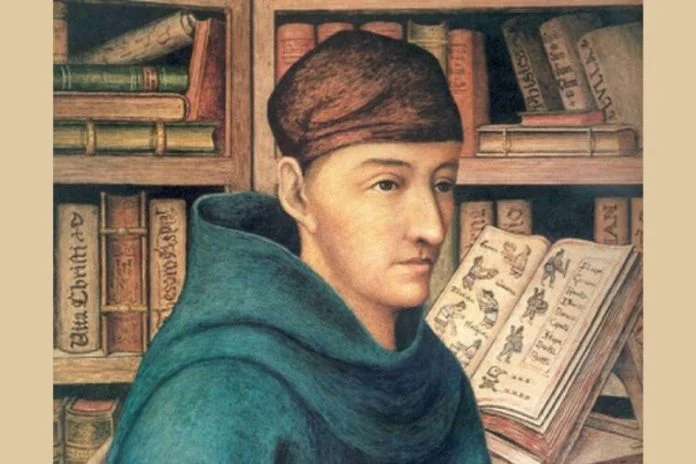
This detail—often sensationalized today—was not everyday life, nor a general diet. It was ritual.
A sacred, symbolic act within a cosmology where sacrifice fed the gods, and the gods, in turn, sustained the world.
Modern institutions such as INAH (Instituto Nacional de Antropología e Historia) have clarified this for decades. In their own interpretation:
“In its most ancient form, pozole was deeply connected to agricultural and ceremonial rites, where life nourished life in a cycle of spiritual renewal.”
(INAH, “Pozole: profunda historia en cada plato”)
The emphasis here is key:
This was ceremonial anthropophagy, not cannibalism as understood today. It existed within a religious-political structure where offerings represented renewal, fertility, and cosmic balance — especially during festivals tied to agricultural cycles.
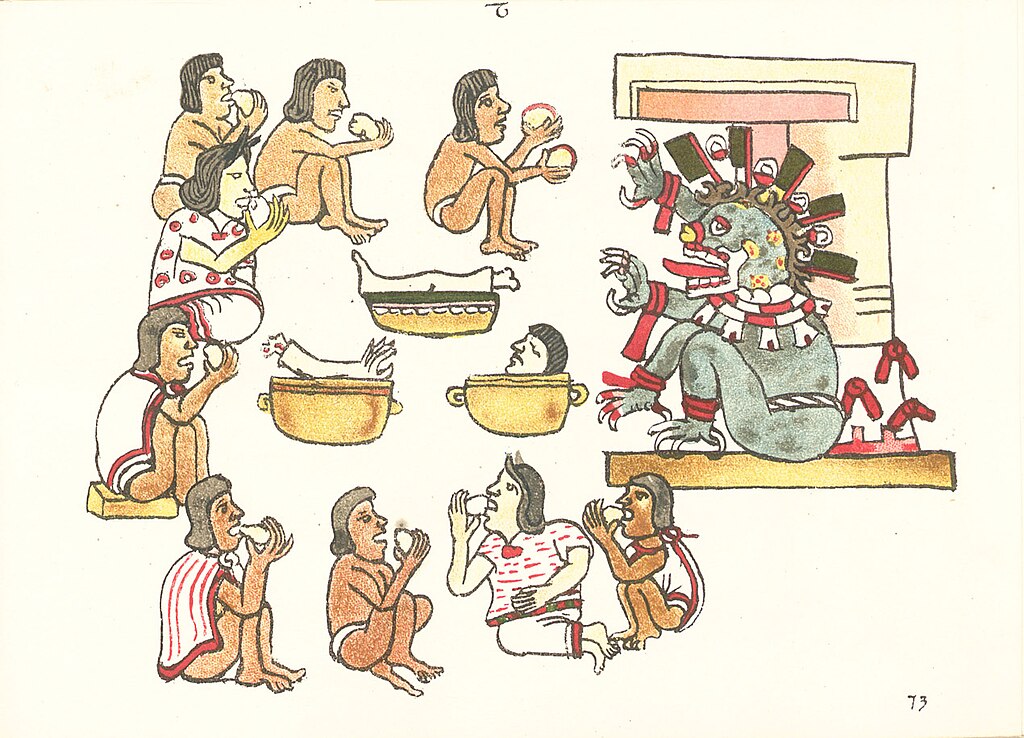
Anthropologist Fernando Anaya Monroy, in La antropofagia entre los antiguos mexicanos, writes:
“The ritual consumption of human flesh was neither common nor widespread; it was strictly reserved for specific festivities, governed by precise religious and political rules. It was a symbolic act, not a gastronomic one.”
This is where pozole sits in pre-Hispanic history:
A ceremonial broth served only to nobles, priests, and warriors in ritual contexts, tied to the deepest layers of Mexica cosmology.
From Ritual to Tradition
After the Spanish arrival, Indigenous ceremonies were prohibited. Foods tied to ritual life were banned or forcibly reshaped. Pork became the replacement protein, and pozole gradually moved from the sacred realm into a communal, celebratory one.
Yet even as ingredients changed, the essence remained:
large pots, shared in community, reserved for important moments.
Over time, pozole became what it is today — a dish of gathering, celebration, holidays, and memory. Its ritual past survives quietly, not as something frightening, but as a testament to the depth and resilience of Indigenous culinary tradition.
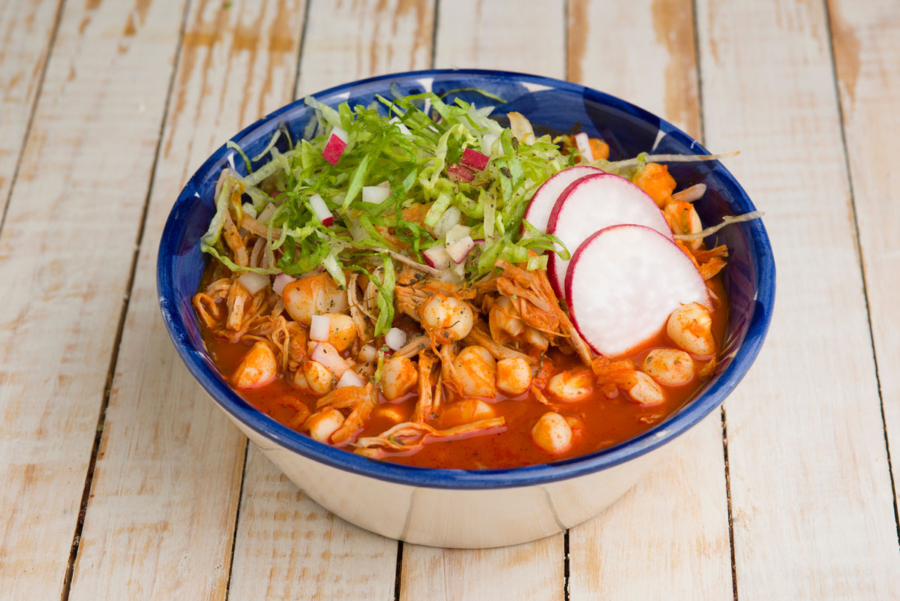
Soon, pozole became what it is today: comfort, gathering, celebration.
- Pozole Rojo from Jalisco and Guerrero
- Pozole Verde from Guerrero
- Pozole Blanco from central states like Morelos
- And dozens of homegrown family variants across Mexico and the diaspora
What stayed constant? The hominy. The nixtamal. The idea that this is a dish made in large pots, for large moments, with large purpose.
“Pozole has always been my favorite dish. There’s just something about it — the second you walk through the door and smell it, you already know the whole house is in celebration mode. When my mom makes pozole, it’s an instant feeling… like, ‘okay, this is home.’ We had it for birthdays, holidays, Christmas — all the moments that mattered. For me, pozole isn’t just food. It’s comfort. It’s family. It’s the dish that brings me back to who I am and where I come from.” — Salvador Flores
HOLIDAY POZOLE: WHY WE EAT IT NOW
Christmas in Mexico is not a one-night event—it’s a season. Las Posadas, Nochebuena, family gatherings, neighborhood posadas, the awkward tía who asks you why you’re still single—everything revolves around food that feels ancestral.
Tamales. Pozole. Ponche.
They show up at the same table every year because they serve similar roles: they feed crowds, they carry memory, and they connect us to Indigenous foodways that survived colonization, migration, and modernity. Holiday pozole is not ritual in the old sense, but it still holds symbolic power: renewal, reunion, warmth through winter, familia united.
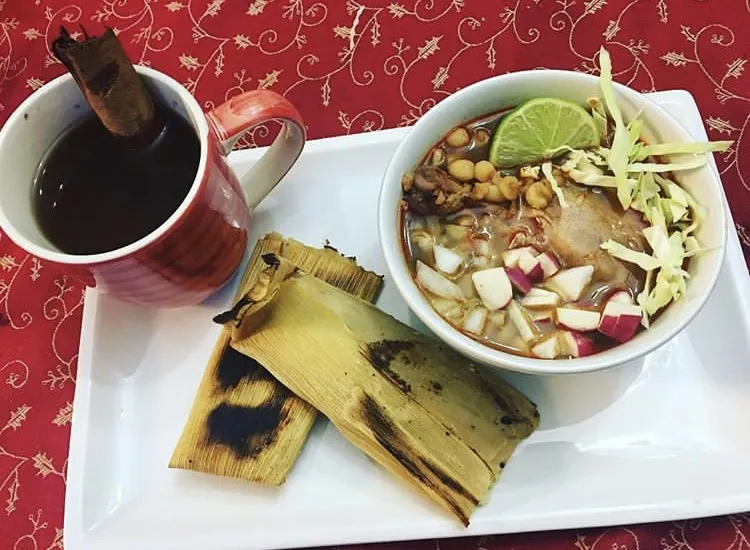
In cities like Long Beach, pozole becomes something else too—evidence. Proof that our traditions migrate with us and stay intact. Every time someone in a tiny apartment kitchen soaks hominy overnight or slices cabbage by the handful, they’re recreating the soundscape, smellscape, and emotional landscape of home.
And this is why it belongs in the same cultural conversation as tamales.
THE TAMAL + POZOLE TRADITION
At the International Tamales Festival, we honor tamales—but in reality, we’re celebrating the entire ceremonial system they come from. Pozole is part of that system. They both begin with nixtamal. They both come from Indigenous worldviews. They both shifted through colonization and were kept alive by communal cooking, mostly led by women and families.
They both carry centuries—and continents—inside a bowl or in a corn husk.
So while pozole isn’t on our festival menu the same way tamales are, it absolutely belongs in this story. Because in Mexican culture, especially during the holidays, tamales and pozole walk together. And ponche? Don’t even get me started—that article is coming next.
Writing about pozole means acknowledging everything: the ceremonies, the shifts, the migrations, the survival. It means holding the full truth of how dishes evolve and why they matter. For me, and for many in Long Beach’s Mexican and Latinx community, pozole is not just something we eat. It’s something we return to. A reminder that our history and traditions are alive inside our kitchens.
And as we gather this December—at the Tamales Festival, around holiday tables, in the spaces that hold our culture together—we honor every layer of that history, from ancient ritual to modern comfort.
Because pozole, like tamales, isn’t just food.
It’s inheritance.
Primary & Academic Sources
Fray Bernardino de Sahagún, Historia General de las Cosas de la Nueva España (Florentine Codex).
Digital English/Spanish versions available via the World Digital Library:
https://www.wdl.org/en/item/10096/
INAH – Instituto Nacional de Antropología e Historia, “Pozole: profunda historia en cada plato.”
https://www.gob.mx/agricultura/articulos/pozole-profunda-historia-en-cada-plato
Fernando Anaya Monroy, La antropofagia entre los antiguos mexicanos (PDF publication hosted by Academia/UNAM).
https://www.academia.edu/4234627/La_antropofagia_entre_los_antiguos_mexicanos
Retrieving Meanings: The Ritual Meaning of Pozole in Aztec Society (often cited in Mesoamerican food anthropology studies).
Scholarly summary available via ResearchGate:
https://www.researchgate.net/publication/331508991_Retrieving_Meanings_The_Ritual_Meaning_of_Pozole_in_Aztec_Society
The Flayed God and His Rattle-Stick: A Shamanic Element in Pre-Hispanic Mesoamerican Religion (on Xipe Tótec and ritual significance).
JSTOR abstract:
https://www.jstor.org/stable/2844408
Journalistic & Cultural Sources
BBC Mundo, “Pozole: el origen ancestral y ritual del platillo.”
https://www.bbc.com/mundo/noticias-62922086
El Universal, “Por qué comemos guajolote, buñuelos, tamales y pozole en Navidad.”
https://www.eluniversal.com.mx/cultura/por-que-comemos-guajolote-bunuelos-tamales-y-pozole-en-navidad/
Food Memory Project, “Cooking Up Christmas Traditions.”
https://foodmemoryproject.com/cooking-up-christmas-traditions/
Vibe Adventures Blog, “Navidad en México: tradiciones y platillos típicos.”
https://blog.vibeadventures.com/es/navidad-en-mexico/
Tec de Monterrey – Conecta, “10 platillos típicos de Navidad que puedes comer en México.”
https://conecta.tec.mx/es/noticias/nacional/arte-y-cultura/10-platillos-tipicos-de-navidad-que-puedes-comer-en-mexico
Additional Contextual Literature
“General History of the Things of New Spain”, full digitized manuscripts and resources on Aztec life and diet:
https://www.florentinecodex.com/
INAH Archaeological Notes on Mexica Ceremonial Practices (anthropophagy, offerings, ritual cosmology):
https://www.inah.gob.mx/
Written by Salvador Flores for Playalarga.
This article is part of an ongoing effort to preserve, uplift, and narrate the stories behind the foods, traditions, and cultural memories that shape Mexican and Latinx identity — in Long Beach and across the diaspora. Through Playalarga, Sal documents community stories with corazón, orgullo, and a commitment to keeping our heritage visible, vibrant, and alive.
Enhanced with AI