


The 2026 midterm elections delivered historic victories for LGBTQ+ candidates across America, from the U.S. Senate to state legislatures. Here’s who won, what changed, and why these results matter for our community.
Okay so I’m not sure if I’m recovered from the blue tsunami that hit us on election night, what an amazing night we had. After months and months of campaign commercials and political attacks and enough election drama to make even the messiest reality television reunion look civilized, we finally have some good news to celebrate. Like, actual good news to celebrate. I know, I’m surprised too.
The LGBTQ+ election winners of 2026 made history all over the country on November 3. First openly gay man elected to the U.S. Senate. The nation’s first openly transgender member of Congress sent back for a second term. Georgia electing its first openly transgender and nonbinary state lawmaker. Queer candidates flipping Republican congressional seats in Indiana, Arizona, California. And on top of all that, voters in Virginia and Missouri came through on marriage equality, reproductive freedom, and transgender healthcare.
And it all happened during a Democratic wave that gave control of both chambers of Congress back to the party. There’s a hometown connection too, because of course there is: Long Beach’s own Congressman Robert Garcia, our former mayor, is poised to chair the House Oversight Committee in the new majority. More on him in a bit, because that one matters for us directly.
Look, for those of us who have spent years watching our identities and our relationships and our healthcare get used as campaign material, a night like this feels different. It should. But it also raises the question I keep coming back to: does all this representation actually turn into protections for our communities? Winning an election is a milestone, its a big one, but what happens after the victory speeches is where the real work begins, not just for the winners, but for all of us, we must continue the momentum, keep our leadership accountable, and continue the good fight.
The Winners at a Glance
In Congress
- Chris Pappas (New Hampshire) — U.S. Senate. The first openly gay man elected to the Senate.
- Sarah McBride (Delaware) — U.S. House, reelected. The first openly transgender member of Congress.
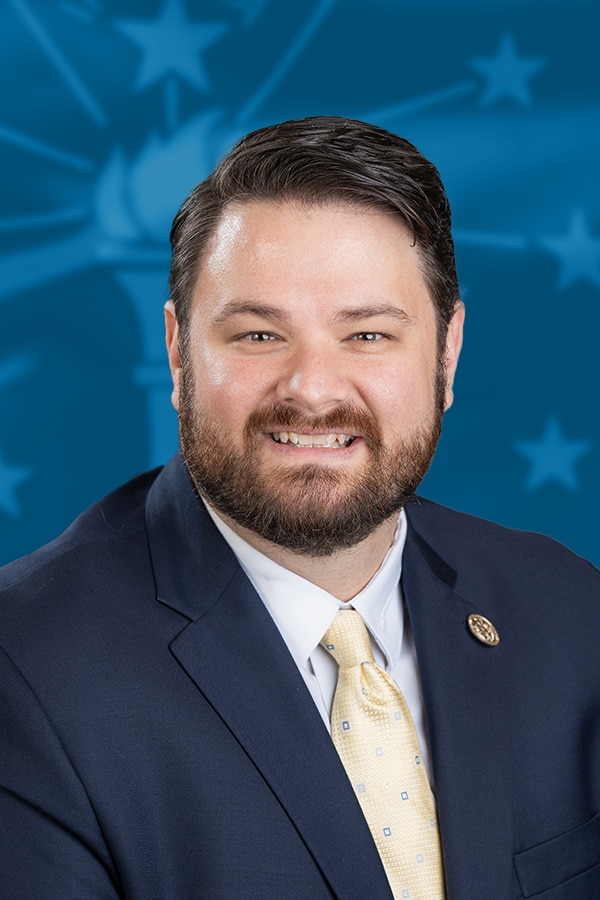
- J.D. Ford (Indiana) — U.S. House. The first openly gay person elected to Congress from Indiana, flipping a Republican seat.
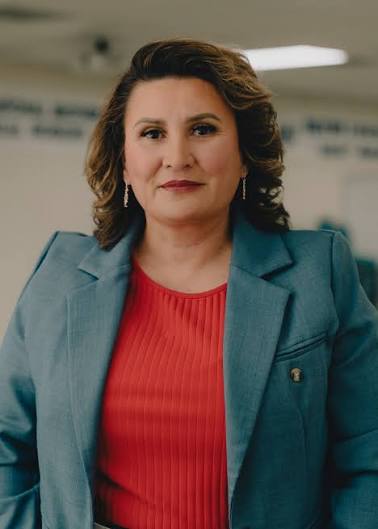
- JoAnna Mendoza (Arizona) — U.S. House. A queer Marine veteran, flipping a Republican seat.
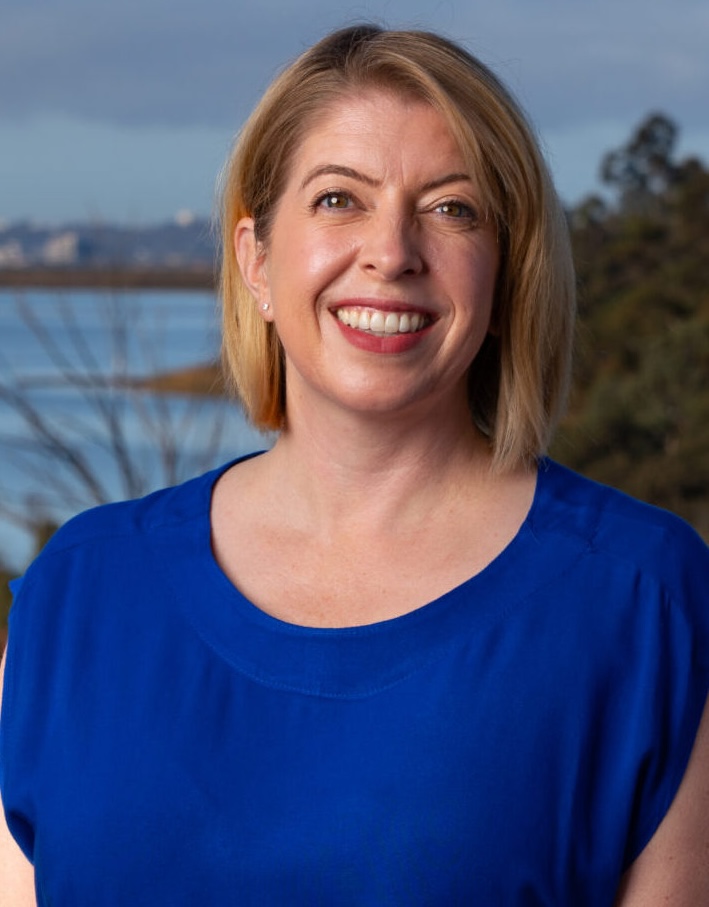
- Marni von Wilpert (California) — U.S. House. A bisexual San Diego City Councilmember, flipping a Republican seat.
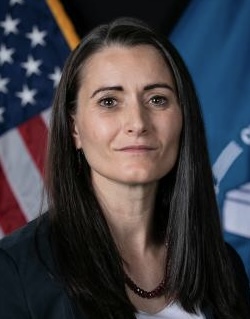
- Cait Conley (New York) — U.S. House. Flipping a Republican seat in the Hudson Valley.
- Jeremy Moss (Michigan) — U.S. House. A state senator heading to Washington.
- Scott Wiener (California) — U.S. House. Succeeding Nancy Pelosi in San Francisco.
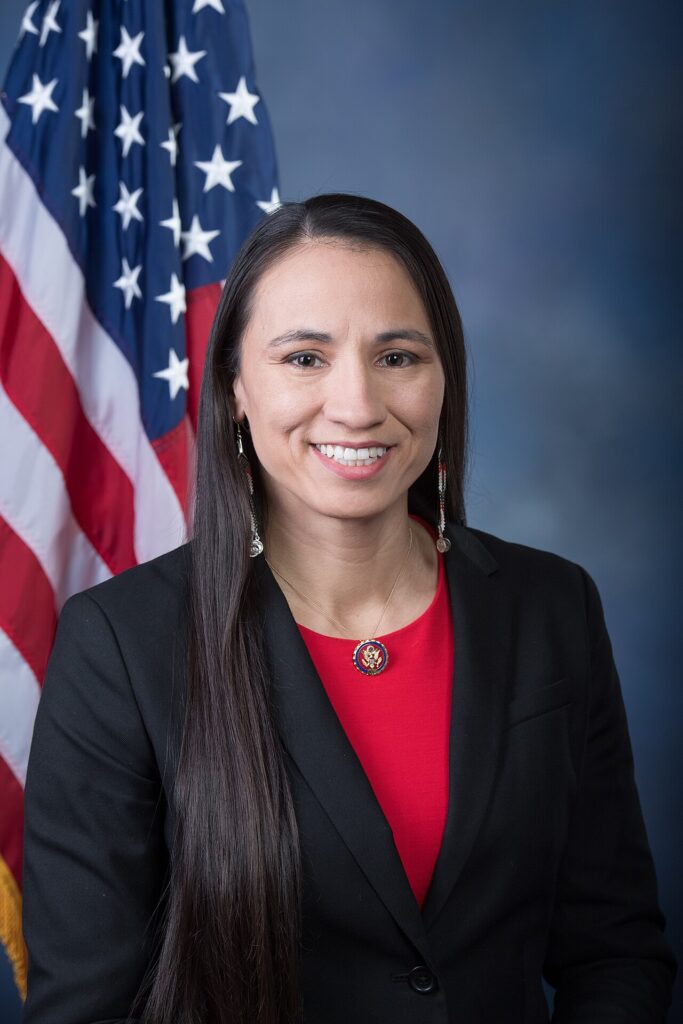
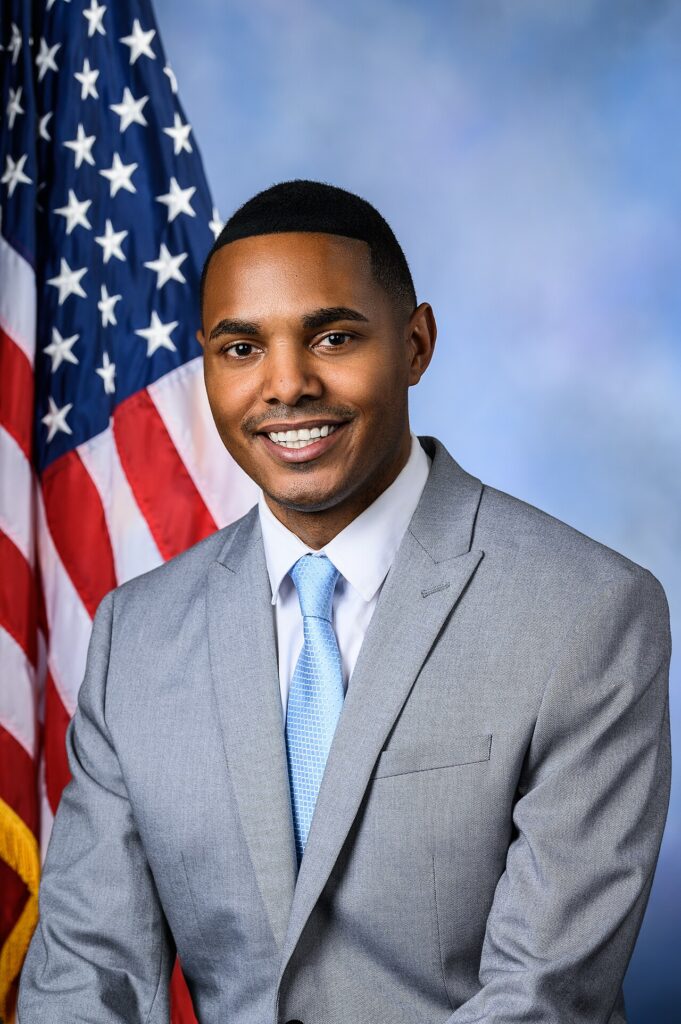
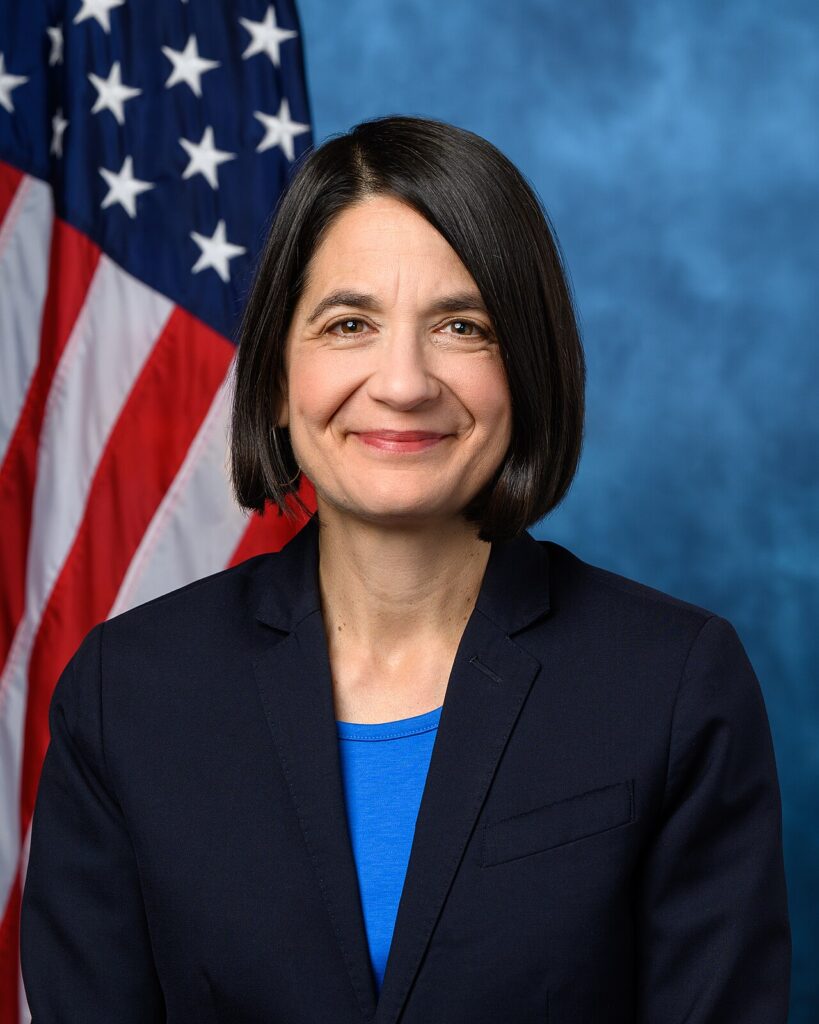
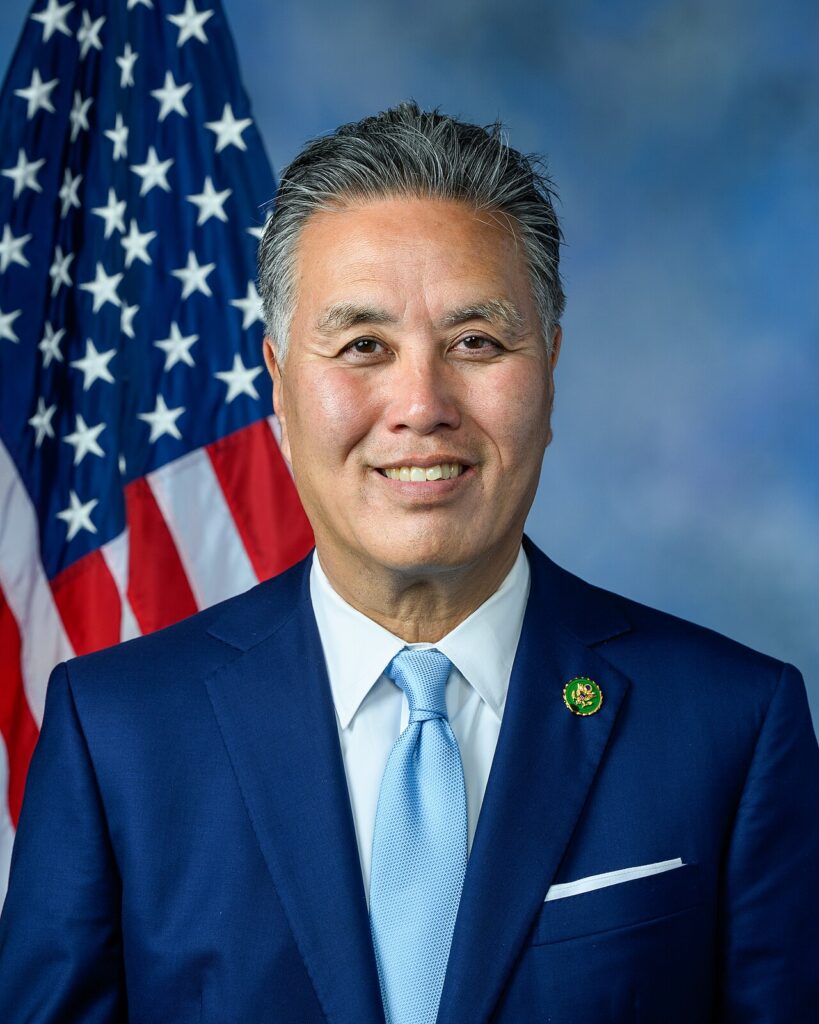
- Sharice Davids (Kansas), Ritchie Torres (New York), Becca Balint (Vermont) and Mark Takano (California) — U.S. House, all reelected.
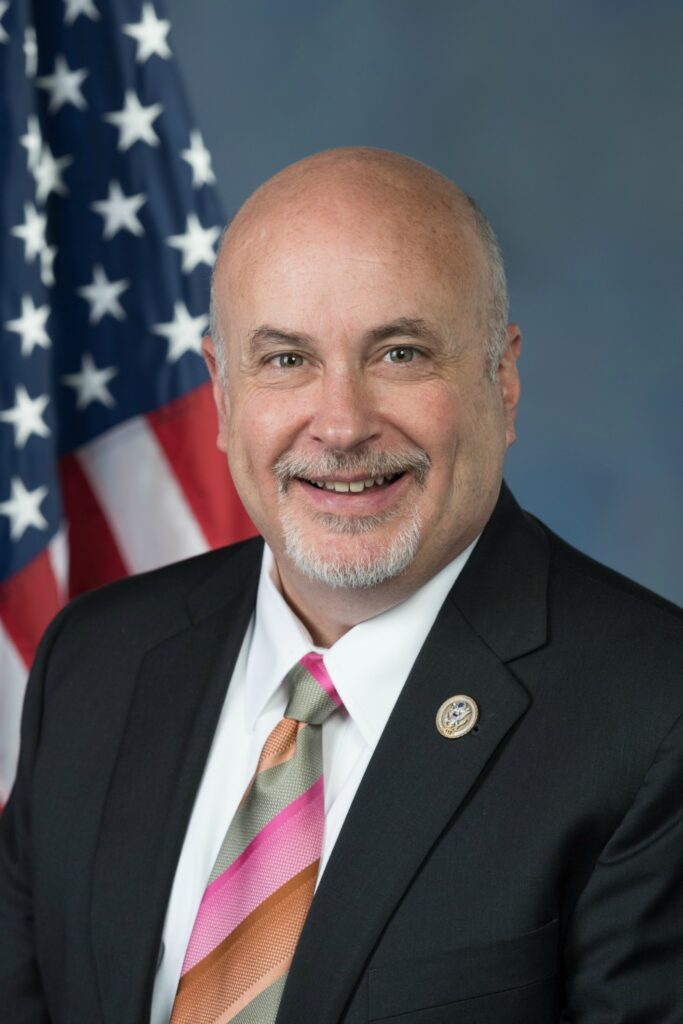
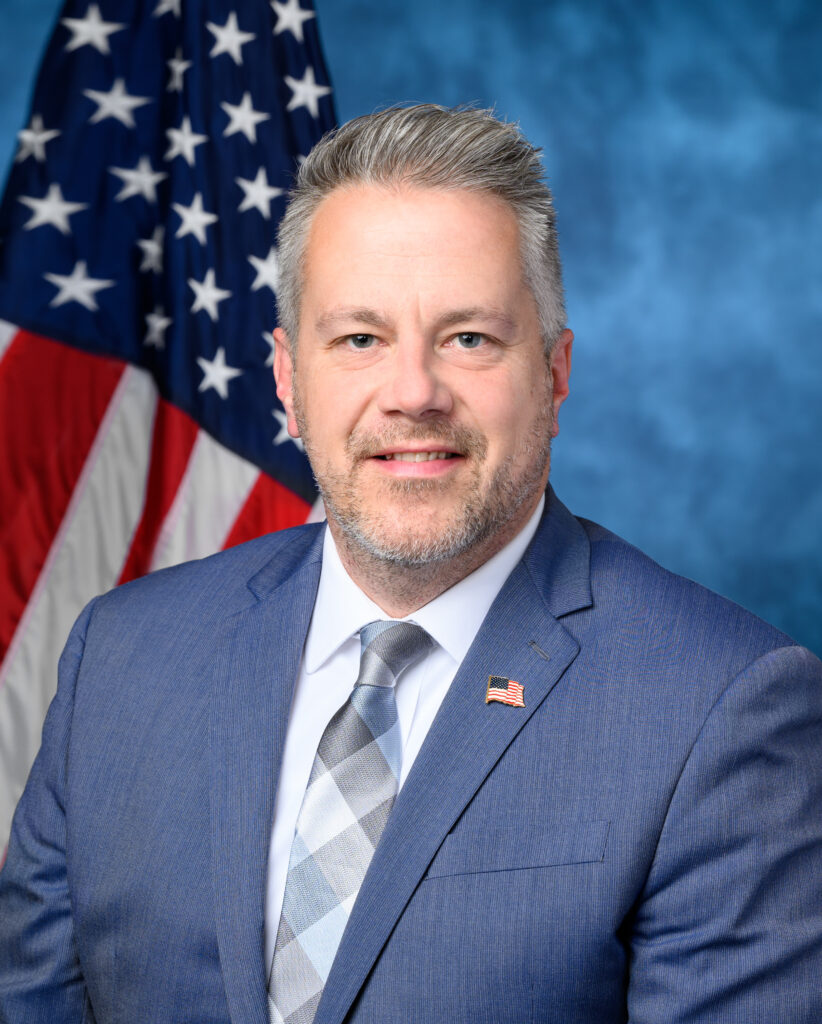
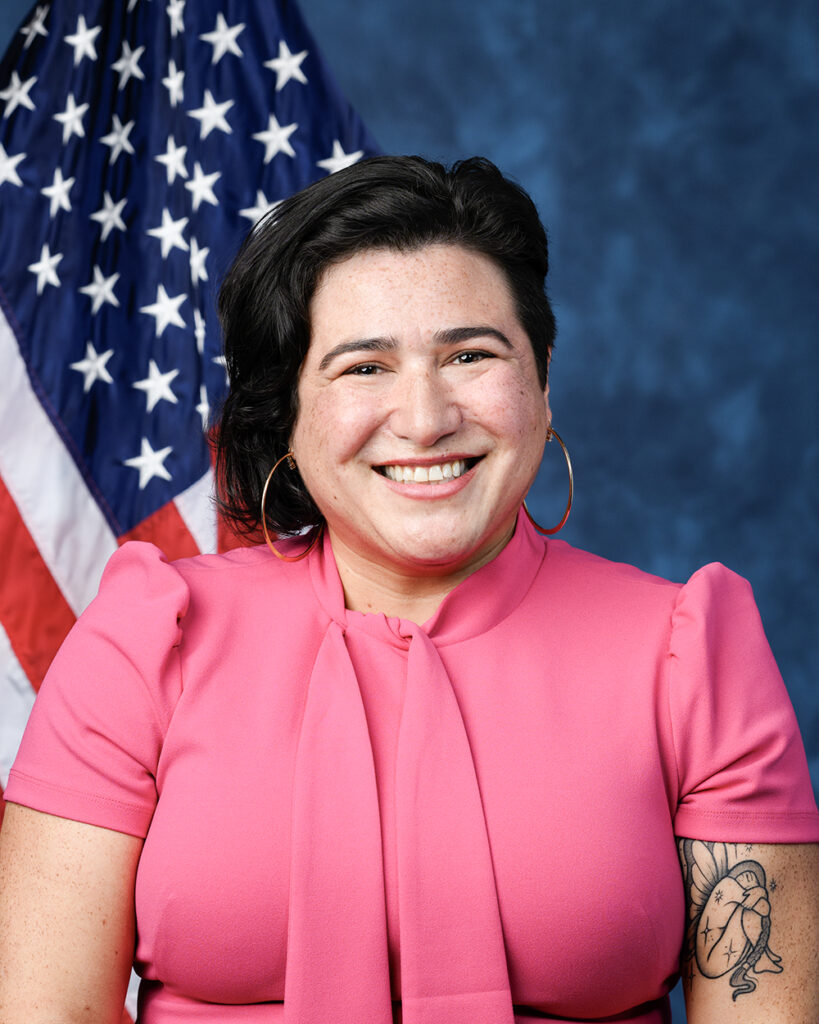
- Mark Pocan (Wisconsin), Eric Sorensen (Illinois) and Emily Randall (Washington) — U.S. House, all reelected. Randall is the first LGBTQ+ Latina elected to Congress.
- Robert Garcia (California) — U.S. House, reelected. Long Beach’s former mayor, poised to chair the House Oversight Committee.
Governors
- Maura Healey (Massachusetts) — reelected to a second term.
- Tina Kotek (Oregon) — reelected to a second term.
State Legislatures
- Bentley Hudgins (Georgia) — State House District 90. Georgia’s first openly transgender and nonbinary state legislator.
- Annalisa Perea (California) — State Assembly. The first openly LGBTQ+ state legislator from the Central Valley.
- Allison Montgomery (Alabama) — State House District 25. Alabama’s first openly transgender state legislator, flipping a Republican seat.
- Malcolm Kenyatta (Pennsylvania) — State House District 181, reelected. A vice chair of the Democratic National Committee.
- Jessica Benham (Pennsylvania) — State House District 36, reelected.
- Zooey Zephyr (Montana) — State House District 95, reelected.
- Leigh Finke (Minnesota) — State House, reelected. Minnesota’s first openly transgender state legislator.
- Ann Johnson (Texas) — State House District 134, reelected. Represents Houston’s Montrose neighborhood.
- DeShanna Neal (Delaware) — State House District 13, reelected. Delaware’s first nonbinary elected official.
- Claire Snyder-Hall (Delaware) — State House, reelected. Represents the Rehoboth Beach area.
- Quinnie Pérez (Florida) — Orange County Soil and Water Conservation District board. The first openly transgender woman elected to public office in Florida.
At the ballot box
- Virginia — voters wrote marriage equality into the state constitution.
- Missouri — voters rejected Amendment 3, preserving reproductive rights and blocking new constitutional restrictions on transgender healthcare.
Still counting
- Clarissa Cervantes (California) — State Assembly District 58. Trailing Republican incumbent Leticia Castillo by a few hundred votes in a rematch of their 596-vote race from 2024, with ballots still being counted.
Chris Pappas Becomes the First Openly Gay Man Elected to the U.S. Senate
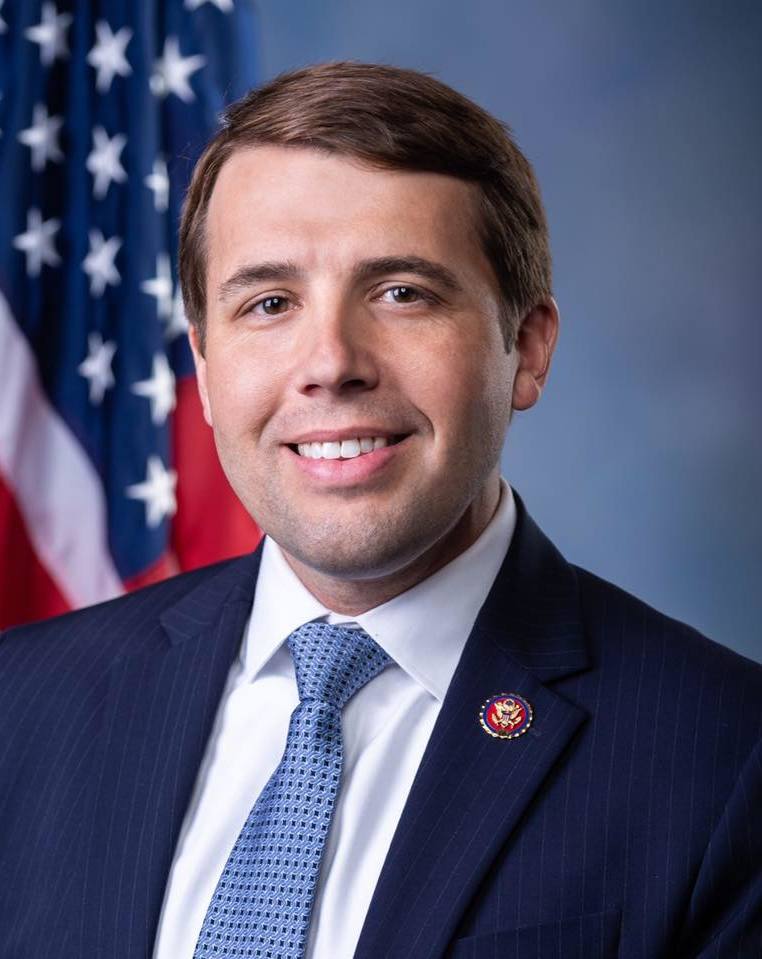
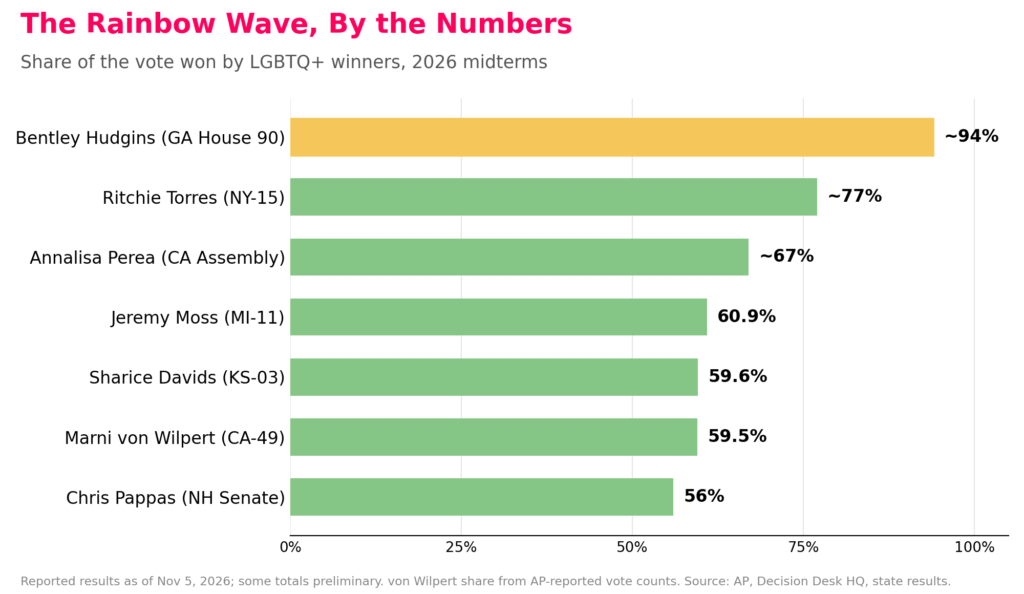
The biggest LGBTQ+ win of the night came out of New Hampshire, where Congressman Chris Pappas beat former Republican Senator John E. Sununu, 56 to 42, and became the first openly gay man elected to the United States Senate. He’s been representing New Hampshire in the House since 2019 and now he takes over the seat Jeanne Shaheen is retiring from.
Quick distinction, because people keep getting this wrong online and it’s making me a little crazy: Tammy Baldwin of Wisconsin was the first openly LGBTQ+ person elected to the Senate, back in 2012. Pappas is the first openly gay man. Both things are true and both of them took way too long.
And just sit with that for a second, because for most of this country’s history being openly gay was basically a career ender, candidates hid who they were and staffers whispered and opponents ran the scary ads with the dark music, and even the politicians who were supposedly on our side treated the whole subject like a live wire they were afraid to touch. A gay man just won a Senate seat by fourteen points. Fourteen.
It matters where he’ll be sitting too. The Senate confirms federal judges and decides what happens to legislation on civil rights and healthcare, and with Democrats back in control, Pappas walks in right as the fights over LGBTQ+ protections get a whole lot louder. One senator doesn’t fix that by himself, obviously. But another openly queer voice at that table is a real thing.
Sarah McBride Wins Reelection as America’s First Transgender Member of Congress
In Delaware, Congresswoman Sarah McBride won a second term, beating Republican Joseph Arminio, so the nation’s first openly transgender member of Congress is going back to Washington.
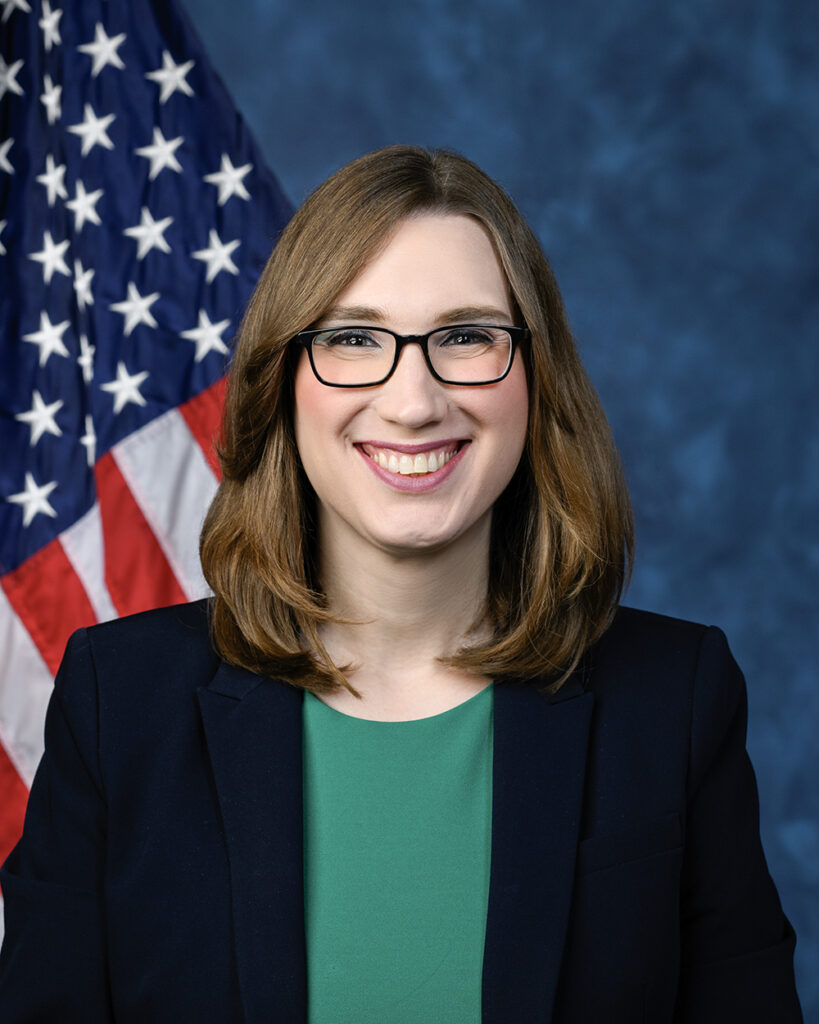
Her election in 2024 was the groundbreaking one, we all know that. This one hits different, and honestly maybe it’s the bigger deal. Because before McBride had even started the job, before she had voted on a single thing, Republican lawmakers turned her into a national fight over which bathroom she could use in the Capitol. Her identity was the whole story before her work ever got to be. And Delaware voters watched all of that play out and sent her back anyway.
That says alot in a country where trans Americans are dealing with new restrictions on healthcare, schools, ID documents, basically every session there’s something new somewhere. What McBride proved is that a trans candidate can win, can do the job, and can win again while being completely open about who she is.
And remember, she represents everybody in Delaware, not just trans Delawareans. Housing costs, healthcare costs, the same kitchen table stuff every member of Congress deals with. If you’re a young trans person somewhere wondering if public service could ever be a future for you, McBride still sitting in that seat is not a small thing. Not even close.
Bentley Hudgins Makes LGBTQ+ History in Georgia
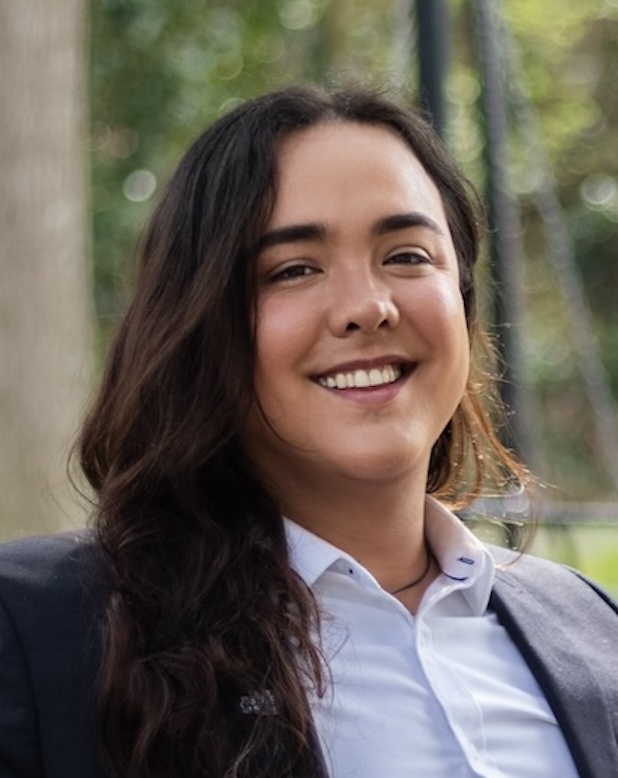
Some of the biggest wins of the night had nothing to do with Washington. Georgia, of all places, delivered one of my favorites.
Bentley Hudgins won Georgia’s House District 90, beating Republican Samantha Boston, and became the state’s first openly transgender and nonbinary state legislator. And it wasn’t close. With most of the vote counted Hudgins was sitting at about 94 percent. Ninety four. In Georgia. I keep re-reading that number like I have the wrong race pulled up.
What I love about this campaign is what Hudgins actually ran on, which was housing and wages and transportation and putting real investment into neighborhoods that have historically gotten the leftovers and the excuses. There’s a lesson in there for campaigns everywhere: you can run on rent and buses and whether people can actually afford to live in their own neighborhood, be openly trans in the South, and win in a landslide, apparently.
Does this mean Georgia’s political climate magically transformed overnight? No. Does it erase what trans Georgians are still dealing with? Also no. But decisions about LGBTQ+ lives get made in state legislatures, in rooms exactly like the one Hudgins is about to walk into, and now there’s somebody in that room who has lived it. For trans and nonbinary kids in Georgia, that sticks around a lot longer than one election cycle.
More History in the State Legislatures
Georgia was not the only deep red state making history Tuesday. Over in Alabama, Allison Montgomery beat Republican incumbent Phillip Rigsby in House District 25 and became the first openly transgender person elected to the Alabama legislature. In Alabama. She is a software engineer, she ran on affordability and on getting corporate interests out of the way, and she flipped the seat, 53 to 47, with the AP calling it on election night. A few years ago a trans candidate winning a state House seat in Alabama would have sounded like a typo. Now it is just the news.
And honestly the statehouse list just keeps going. In Pennsylvania, Malcolm Kenyatta, who made history back in 2018 as the first openly gay Black person elected to that legislature and now sits as a vice chair of the DNC, ran unopposed and won a fifth term, and Jessica Benham, the first openly LGBTQ+ woman elected to the Pennsylvania General Assembly, won a fourth. Zooey Zephyr, the Montana lawmaker Republicans literally barred from the House floor in 2023 for defending trans kids, ran unopposed and kept her seat, because Missoula has her back. Minnesota reelected Leigh Finke, the first openly trans lawmaker in that state and the one who wrote its trans refuge law. And Houston reelected Ann Johnson, a lesbian legislator whose district includes the Montrose, which has been the heart of gay Houston forever.
Delaware, smallest state in the conversation, had itself a night on top of McBride. DeShanna Neal, the first nonbinary elected official in Delaware history, ran unopposed and won another term in the state House, and Claire Snyder-Hall, an out lesbian representing the Rehoboth Beach area, won her rematch and a second term. Even Florida got one in. Quinnie Pérez won a seat on the Orange County Soil and Water Conservation District board, which is a small local board, sure, but it makes her the first openly transgender woman elected to public office anywhere in Florida, and she is the daughter of Mexican immigrants who grew up around farm work. In DeSantis’s Florida. Small office, big door opening.
Queer Candidates Flip Republican Congressional Seats
The rainbow wave changed the math in Washington too. Indiana: state Senator J.D. Ford beat Republican Congresswoman Victoria Spartz and became the first openly gay person elected to Congress from Indiana. Arizona: JoAnna Mendoza, a queer Marine veteran, beat Republican Congressman Juan Ciscomani, in a race Decision Desk HQ called on election night. California: Marni von Wilpert, a bisexual San Diego City Councilmember, beat Republican Jim Desmond for the seat Darrell Issa is retiring from, and the AP has called that one. And it kept going, Cait Conley took out Republican Congressman Mike Lawler up in New York’s Hudson Valley and Michigan state Senator Jeremy Moss won his House race too.
Every single one of those seats was Republican held. So much for the old rule that openly LGBTQ+ candidates can only win in deep blue districts where the general election is a formality.
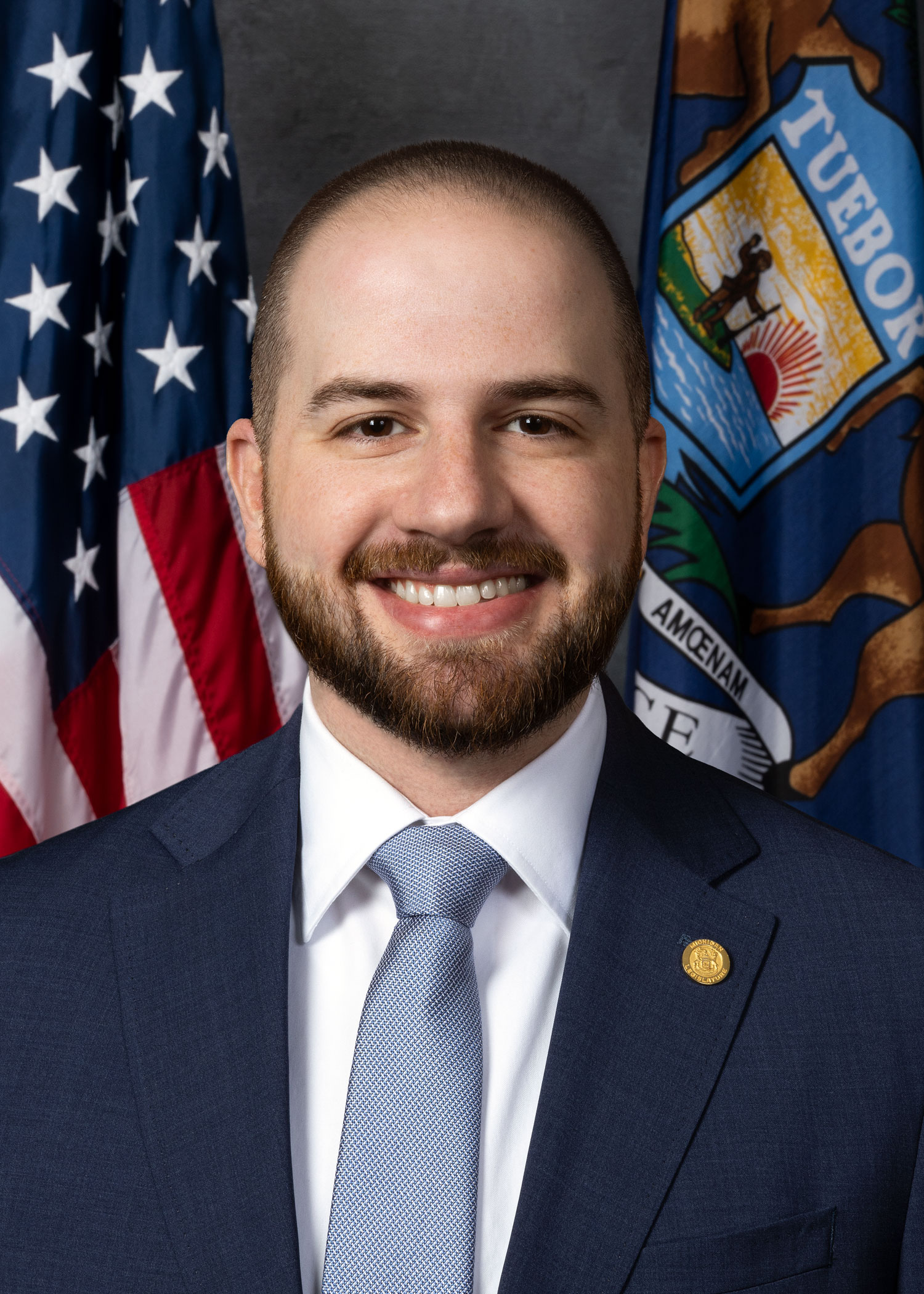
Now let’s be real, the environment did a lot of the heavy lifting here. Democrats were riding real voter frustration with the Trump administration, and candidate quality mattered, because it always does. But these candidates still had to go out and win as openly queer people in districts that had just voted Republican, and nothing about who they are stopped them from building coalitions wide enough to pull it off.
And plenty of familiar faces are coming back. Sharice Davids, a lesbian and a citizen of the Ho-Chunk Nation, won a fifth term in Kansas, the first openly LGBTQ+ person that state ever sent to the House. Ritchie Torres, the openly gay Afro-Latino congressman from the Bronx, won a fourth term. Becca Balint in Vermont and Mark Takano, who represents the Riverside area here in California, both won reelection too. So the next Congress doesn’t just have more LGBTQ+ members, it has a wider range of them, and that range matters when the actual debates start.
And they are not the only ones. Mark Pocan ran unopposed in Wisconsin and he is headed back for an eighth term, he has been in the House since 2013 and he is one of the longest-serving openly LGBTQ+ members Congress has ever had. Eric Sorensen, a former TV meteorologist and the first openly LGBTQ+ person Illinois ever sent to Congress, won a third term with about 59 percent of the vote. And Emily Randall won a second term out in Washington state. She is the first LGBTQ+ Latina ever elected to Congress, which happened just two years ago and already feels normal, and that part is kind of wonderful.
Lesbian Governors Maura Healey and Tina Kotek Win Second Terms
That’s how representation gets durable, you know? A historic first is a headline. A reelection is a mandate. And governors control so much of the machinery that touches our lives day to day, public education, healthcare programs, state agencies, budgets, civil rights enforcement, all of it. Having openly queer people in those chairs shapes how state government treats our communities.
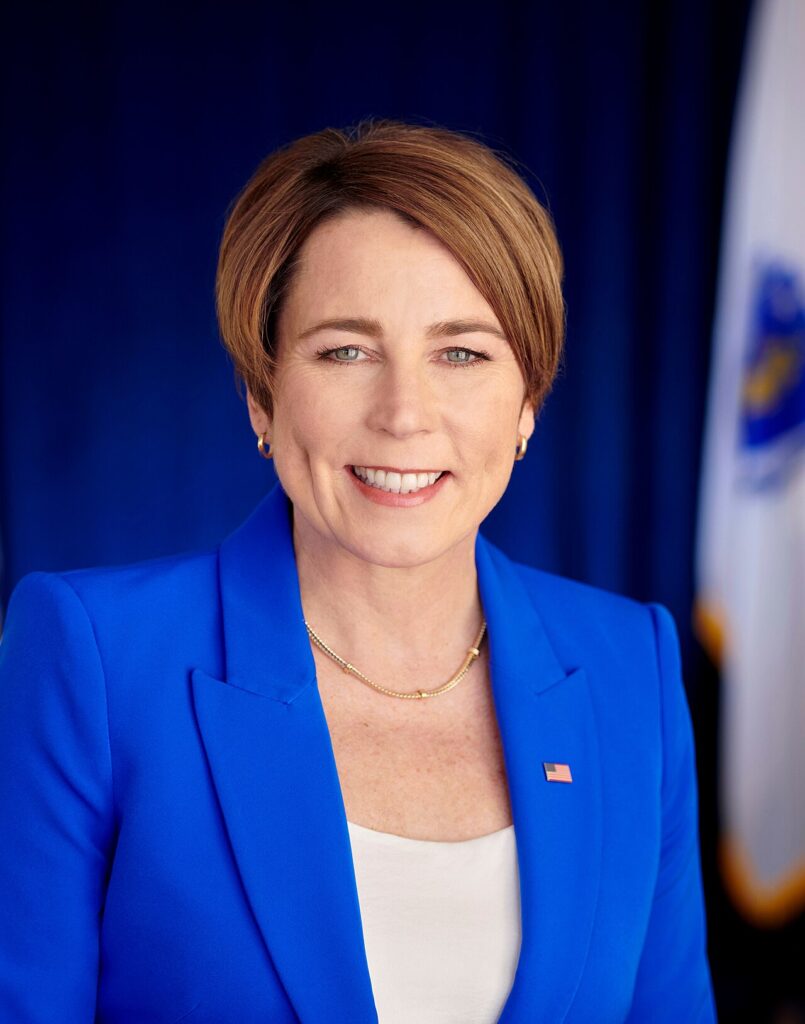
Two of the biggest LGBTQ+ governors in the country had very good nights. Massachusetts Governor Maura Healey and Oregon Governor Tina Kotek both won reelection.
Healey’s race got called by the AP about a minute after polls closed in Massachusetts, which kind of tells you where that state is at the moment. When her and Kotek were first elected in 2022 they became the first two openly lesbian women elected governor in this country, and all the coverage back then was about the first, the history, the photos. This time is different. Now they’re incumbents who got judged on their actual records and voters said okay, four more years.

California’s LGBTQ+ Political Influence Continues to Grow

California has been in the middle of the LGBTQ+ rights movement forever, and 2026 added another chapter.
In San Francisco, openly gay state Senator Scott Wiener won the race to succeed Nancy Pelosi, after fellow Democrat Connie Chan conceded on Wednesday. Pelosi held that seat for almost forty years, so this is a real changing of the guard, and Wiener has been one of the most visible people in California politics for a long time, housing, transit, civil rights, LGBTQ+ legislation, all of it, and now that fight moves with him to Washington.
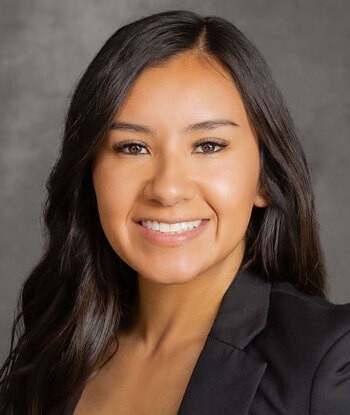
Down the ballot, Fresno City Councilmember Annalisa Perea won her Assembly race in a rout, something like two thirds of the vote, and she’s about to become the first openly LGBTQ+ state legislator from the Central Valley. First. From the whole Central Valley. That’s a big deal and I don’t think it’s getting enough attention.
One more California race is still up in the air though. Riverside City Councilmember Clarissa Cervantes, who is bisexual, is stuck in another too close to call rematch with Republican Assemblymember Leticia Castillo in District 58. Castillo beat her by 596 votes in 2024, six hundred votes, and right now they’re separated by a few hundred again with ballots still being counted. It could take days. I’m not calling it here before the people actually counting call it, we saw how 2024 went.
The pattern is what gets me though. California’s queer lawmakers used to come from San Francisco and LA and that was basically it. Now they’re coming from Fresno, from the Inland Empire, from places that don’t get half the attention the big coastal cities get. Perea’s win alone grows the Legislative LGBTQ Caucus, and if Cervantes pulls ahead when the last ballots land it grows again. Either way, more of those voices are about to be in the room in Sacramento, and rooms change when new people walk into them.
What the Election Means for Long Beach
Okay, our part. Because for those of us in Long Beach, the national results have a local connection that I think is kind of beautiful, honestly.
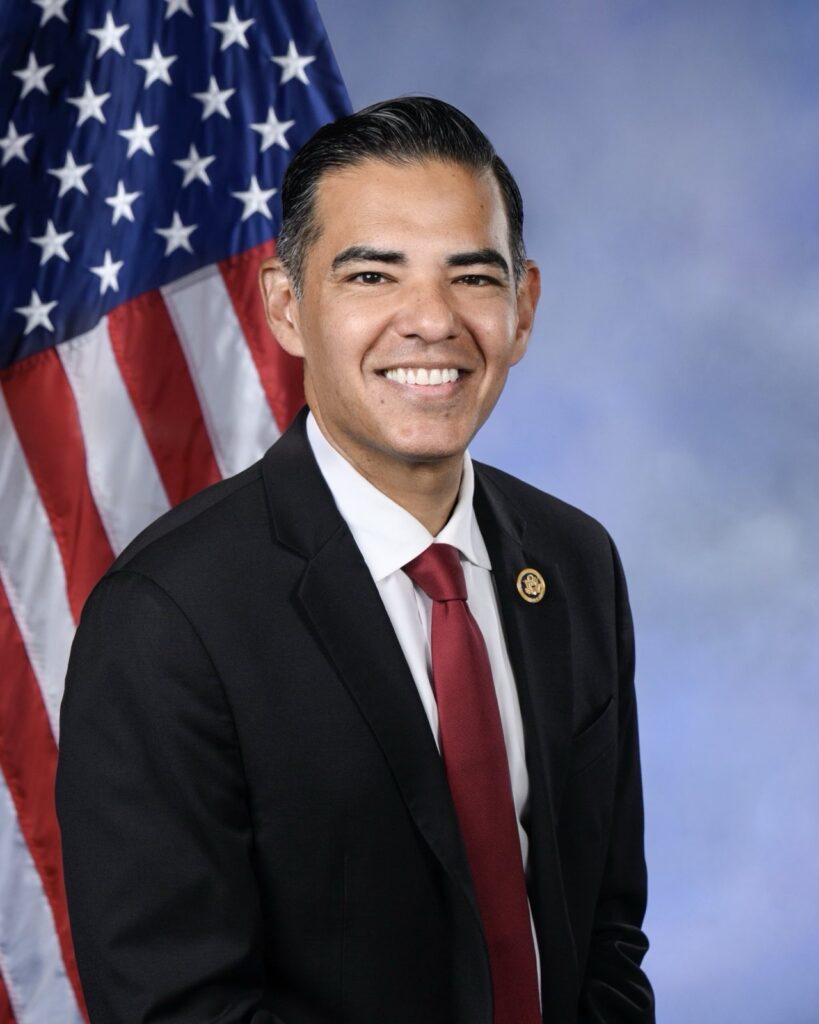
Congressman Robert Garcia, our former mayor and one of the most prominent openly gay Latino politicians in the country, represents California’s 42nd Congressional District, which includes Long Beach, and he’s poised to become chair of the House Oversight Committee.
With Democrats taking the House, oversight of the Trump administration is about to get a lot more aggressive, and that gives Garcia real room to investigate what federal agencies have been doing. For Long Beach that is not abstract stuff. Federal decisions on healthcare, housing, immigration and community funding land right here, on real people.
And Long Beach has its own complicated history with all of this. A little over a century ago, authorities in this city went after men suspected of same-sex activity with police entrapment and public humiliation. Generations of LGBTQ+ Long Beach residents answered that by building organizations and businesses and cultural spaces and political movements, brick by brick, until they basically transformed the city. A former Long Beach mayor, standing in the middle of a growing group of openly LGBTQ+ leaders in Congress. That arc is not lost on me.
But symbolism is only part of it. Our community still needs affordable housing, healthcare people can actually access, safe places to gather, and protection from discrimination, and those needs don’t care who won an election. That work belongs to Washington and Sacramento and Long Beach City Hall all at the same time.
Virginia Voters Put Marriage Equality Into Their Constitution
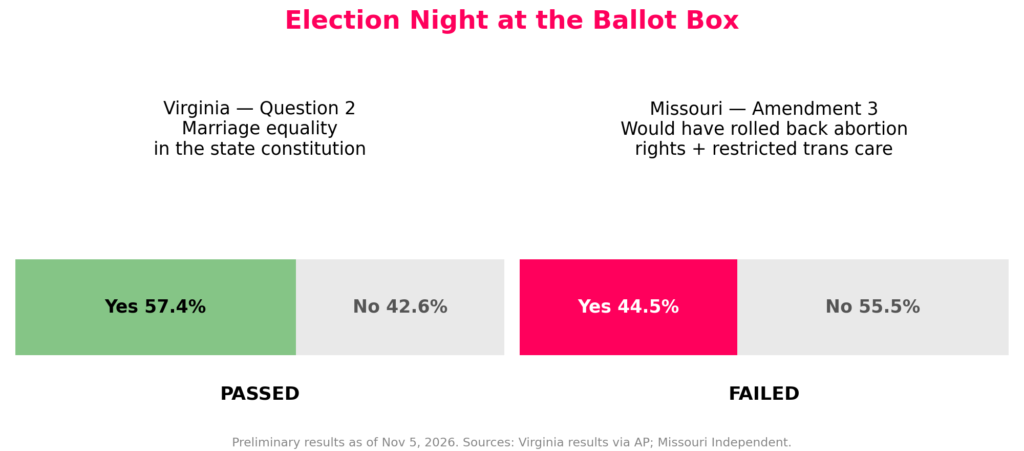
The night wasn’t just about candidates either. Over in Virginia, voters approved Question 2, a constitutional amendment that writes marriage equality into the state constitution and takes out the ban voters put in there back in 2006. It passed with about 57 percent of the vote.
Here’s why that matters, because the backstory is important. The Supreme Court made marriage equality the law of the land in 2015 with Obergefell v. Hodges, but a lot of those old state bans never actually got removed, they just sat there in state constitutions, unenforceable, waiting around. And the fear has always been, well, what happens if the federal protection gets weakened or overturned one day? Virginia voters looked at that possibility and said no, we’re not leaving this up to chance, and the amendment protects same-sex and interracial couples alike.
I love that as a reminder, honestly. A big court decision is not the end of a fight, laws and constitutions can change in both directions. And for couples who built families and bought homes and raised kids together, legal recognition is not some symbolic thing, it is the paperwork underneath everything, inheritance, hospital decisions, all of it. Virginia just made that paperwork a whole lot sturdier.
Missouri Voters Reject Restrictions on Transgender Healthcare and Abortion
Missouri went the other direction from what a lot of people expected. Voters there rejected Amendment 3, which would have reversed the reproductive rights protections they had just approved in 2024. The measure also tried to write a ban on gender-affirming medical care for minors into the state constitution, which tells you a lot about the strategy by itself.
According to preliminary results reported by the Missouri Independent, Amendment 3 got approximately 44% of the vote, well short of the majority it needed. So Missouri’s constitutional protections for reproductive freedom stay, and the trans healthcare restrictions stay out of the constitution.
Now the part that needs to be said clearly, because headlines get sloppy about this: Missouri already has laws on the books restricting gender-affirming care for minors that did not go anywhere. This vote did not repeal them. What voters rejected was locking even more restrictions into the constitution, where they would be way harder to ever change. That’s an important difference, and it matters for how much celebrating this one deserves, which is some, just not all.
It also showed how tangled this has gotten, abortion and trans healthcare stapled together into one ballot measure on purpose. Missouri voters rejected the package.
A Historic LGBTQ+ Congress, but Representation Is Only the Beginning
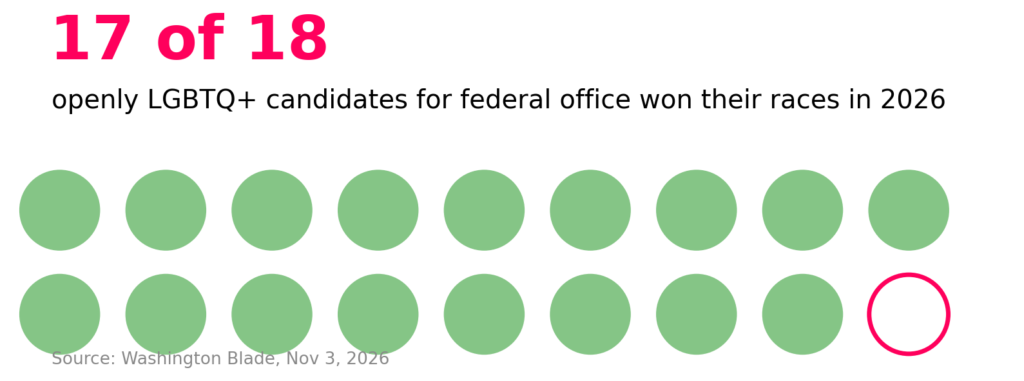
According to the Washington Blade, 17 of the 18 openly LGBTQ+ candidates who ran for federal office won their races in the 2026 midterms. Seventeen out of eighteen. Which means the next Congress is expected to have the most LGBTQ+ representation it has ever had.
And read that number with the context it happened in, because the context is ugly. LGBTQ+ people, trans Americans especially, spent this whole cycle as the focus of political ads and legislation and nonstop public debate, like our lives were a strategy memo. And candidates still went out there and won, in all kinds of communities, all over the map.
Now comes the governing part, and this is where I get a little more careful with my optimism. Democrats controlling both chambers opens real doors: stronger nondiscrimination protections, investigations into federal policies that affect our communities, actual oversight of executive agencies. But the president still has his veto pen, the courts still shape civil rights law, and Democrats don’t all agree with each other on every LGBTQ+ issue. Anyone who has watched Congress for like five minutes knows how this part goes.
So these are the questions I’ll be watching for the next two years. Does Congress actually move on federal nondiscrimination protections? Does it do anything for trans Americans dealing with restrictions on healthcare and public life? Does it protect the federal programs that serve LGBTQ+ seniors and young people and people living with HIV? And does any of it reach communities that aren’t big political and fundraising centers, places like, I don’t know, Long Beach?
How those get answered is what decides whether the rainbow wave was an actual turning point or just a really great election night headline.
The Rainbow Wave Is Worth Celebrating. Now Comes the Work.
There’s something genuinely encouraging about seeing LGBTQ+ candidates win in places where openly queer people once had almost no chance of holding office.
An openly gay senator from New Hampshire. A transgender congresswoman going back to Washington. A nonbinary legislator making history in Georgia. Queer candidates flipping Republican seats. Virginia protecting marriage, Missouri saying no to more restrictions. All in one night.
These are real victories and our community should celebrate them, fully, loudly, all of it.
But they don’t erase what LGBTQ+ Americans are still up against. They don’t overturn discriminatory laws by themselves, they don’t make healthcare affordable, they don’t guarantee every queer person a safe place to live. Wins open doors. People still have to walk through them and do the work on the other side.
And that’s where the rest of us come in, because here in Long Beach we have seen this movie. We know what happens when people organize and support each other and build community spaces and refuse to sit around waiting for somebody else to create the change they want to see. Our political wins and our community building were never two separate things. Elected officials change laws and policies, and then it’s the local organizations and activists and businesses and neighbors who turn those protections into something a person can actually feel in their daily life. For me that’s the biggest lesson of this whole election, honestly.
Representation matters because it opens doors that were closed to us for a very long time. But the goal was always bigger than watching LGBTQ+ people win office. The goal is every person in our community getting to live openly and safely and with dignity, and that part is still on all of us.
So yes, familia, celebrate the wins. Raise a glass, call your friends, enjoy some good news for a change, we have earned a night of it. Then keep paying attention.
Making history on Election Day is wonderful. Making life better for our communities is what makes any of it matter.
Written and researched by Salvador Flores for Playalarga. Edited with AI assistance.
Editor’s note: This article reflects election results and reporting available as of November 5, 2026. Some vote totals remain preliminary, and official certification is pending.