






Latino Heritage Month isn’t just about waving the bandera or reposting memes, it’s about keeping our cultura, traditions, and roots alive. And honestly, nothing says cultura louder than food. Every state in México has its own dish — ancient Indigenous flavors, Spanish influence, and family secrets passed down for generations. From pozole Thursdays in Guerrero to cochinita pibil in Yucatán, these platillos are edible history. Let’s get into it!
Aguascalientes — Chiles Aguascalientes
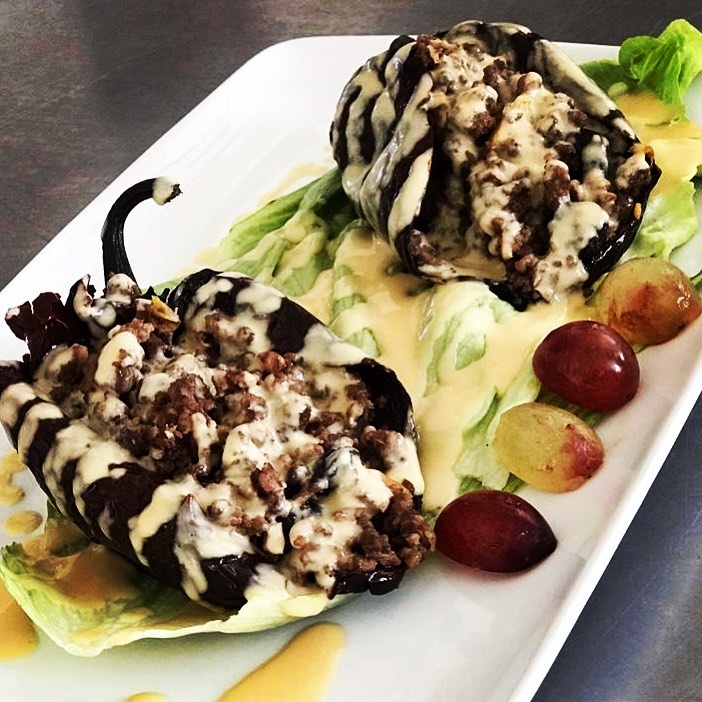
Qué es: Chiles rellenos with ground beef, dried fruits, and nuts, covered in creamy sauce.
Historia: Aguascalientes is smack in the Bajío, and su cocina is all about mixing Spanish convent traditions with local sazón. These chiles are like the cousins of Puebla’s chiles en nogada, pero with their own regional vibe. Sweet + savory, fiesta food that shows abundance = love.
Baja California — Langosta Puerto Nuevo 🦞
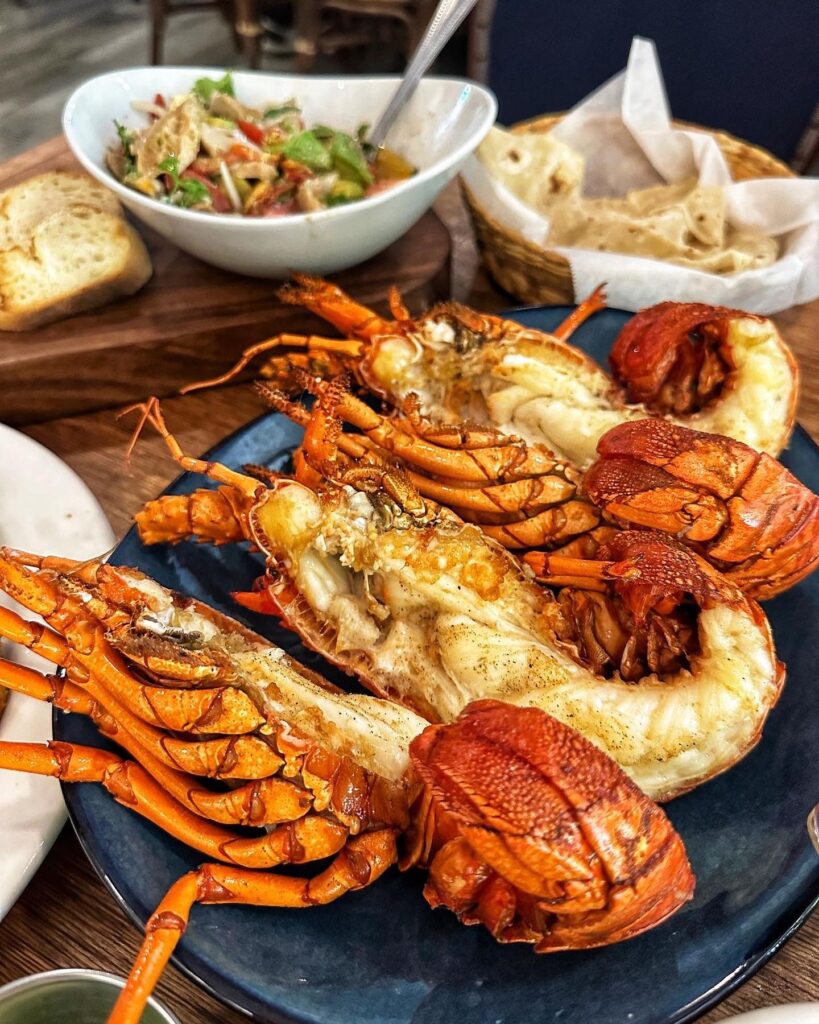
Qué es: Fried lobster served with rice, beans, and flour tortillas.
Historia: Born en los 50s in Rosarito, when pescadores cooked the catch of the day pa’ los turistas. The combo became iconic: lobster + arroz + frijoles + flour tortillas (super northern flex). Now Puerto Nuevo is the lobster capital, and this dish screams Baja pride.
Baja California Sur — Almejas Chocolatas Tatemadas 🐚
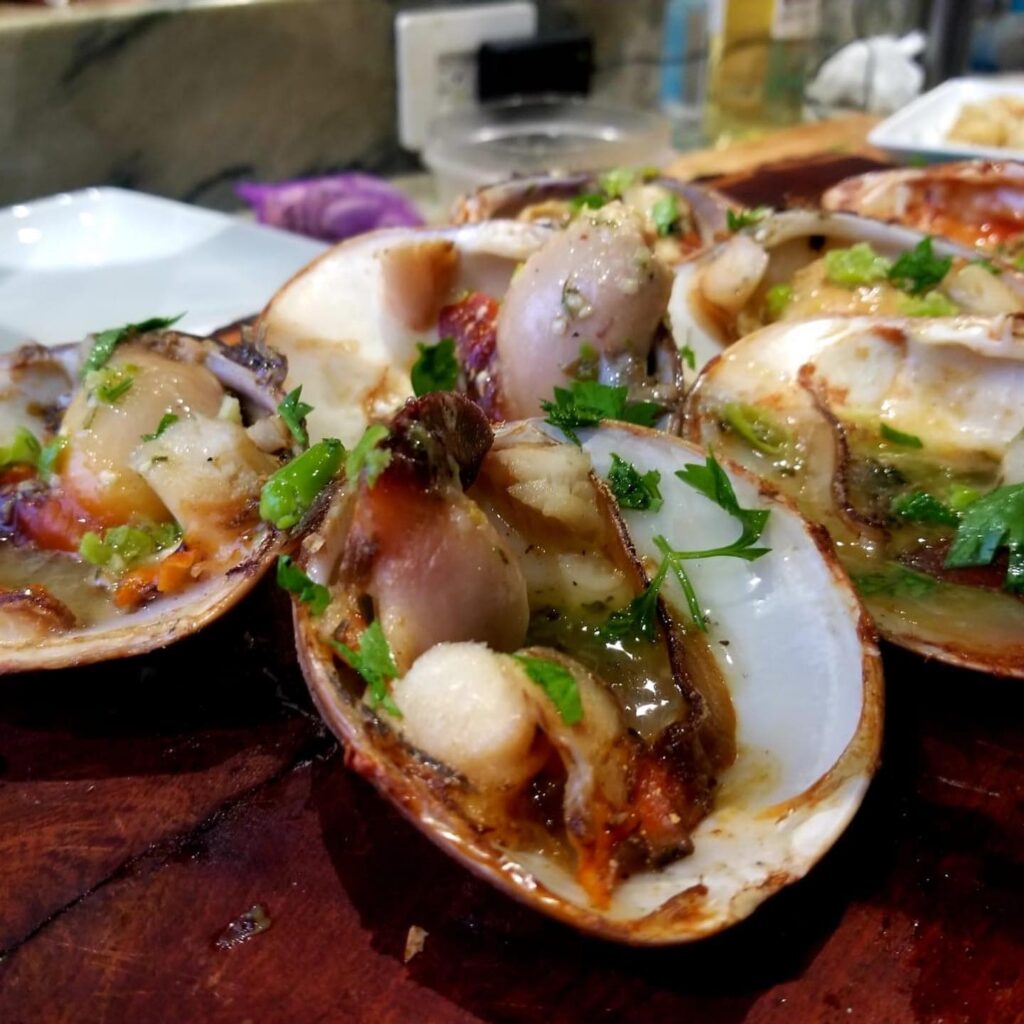
Qué es: Chocolate clams roasted underground with herbs.
Historia: Indigenous Pericú people were already roasting these centuries before the Spanish showed up. The name comes from the shell’s color, not chocolate. Cooking in earth pits with hot stones and herbs gave them that smokey, beachside magic.
Campeche — Pan de Cazón 🐟
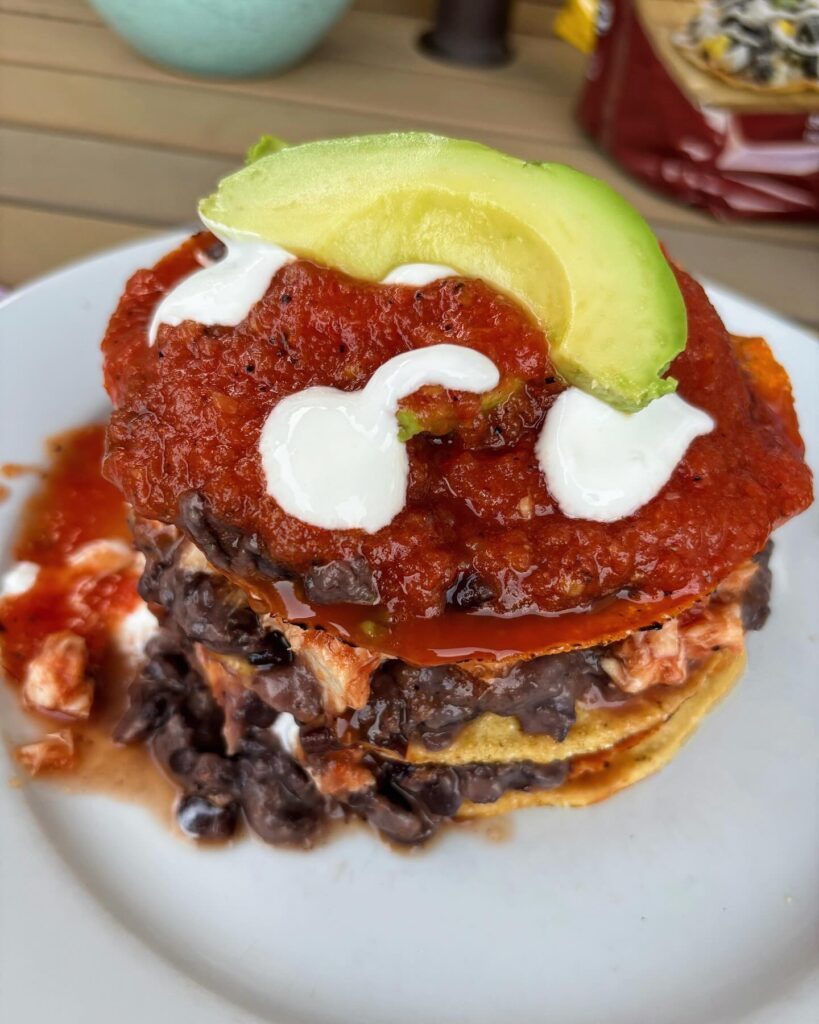
Qué es: Tortillas layered with shark meat, beans, and tomato sauce.
Historia: Think lasagna but make it Maya. Campeche fishers always had cazón on hand, and Spaniards brought the layered casserole vibe. Boom, pan de cazón: coastal, Indigenous, and Spanish all in one plate.
Chiapas — Tamales de Chipilín 🌿
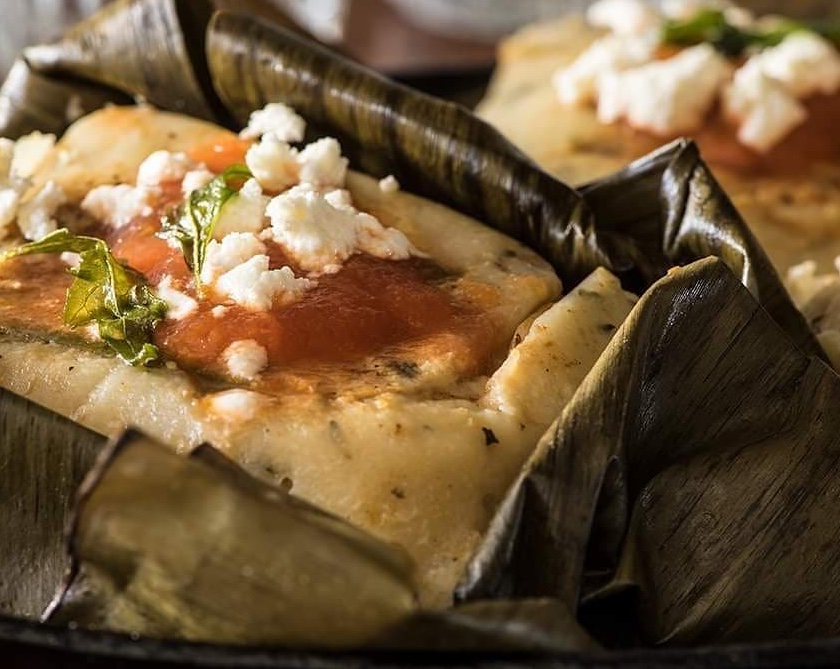
Qué es: Masa mixed with chipilín leaves, wrapped in banana leaves.
Historia: The Maya were eating tamales thousands of years ago. In Chiapas, chipilín — a native herb with earthy flavor — gives them their unique twist. Banana leaves instead of corn husks? That’s southern + Central American influence shining through.
Chihuahua — Discada 🍖
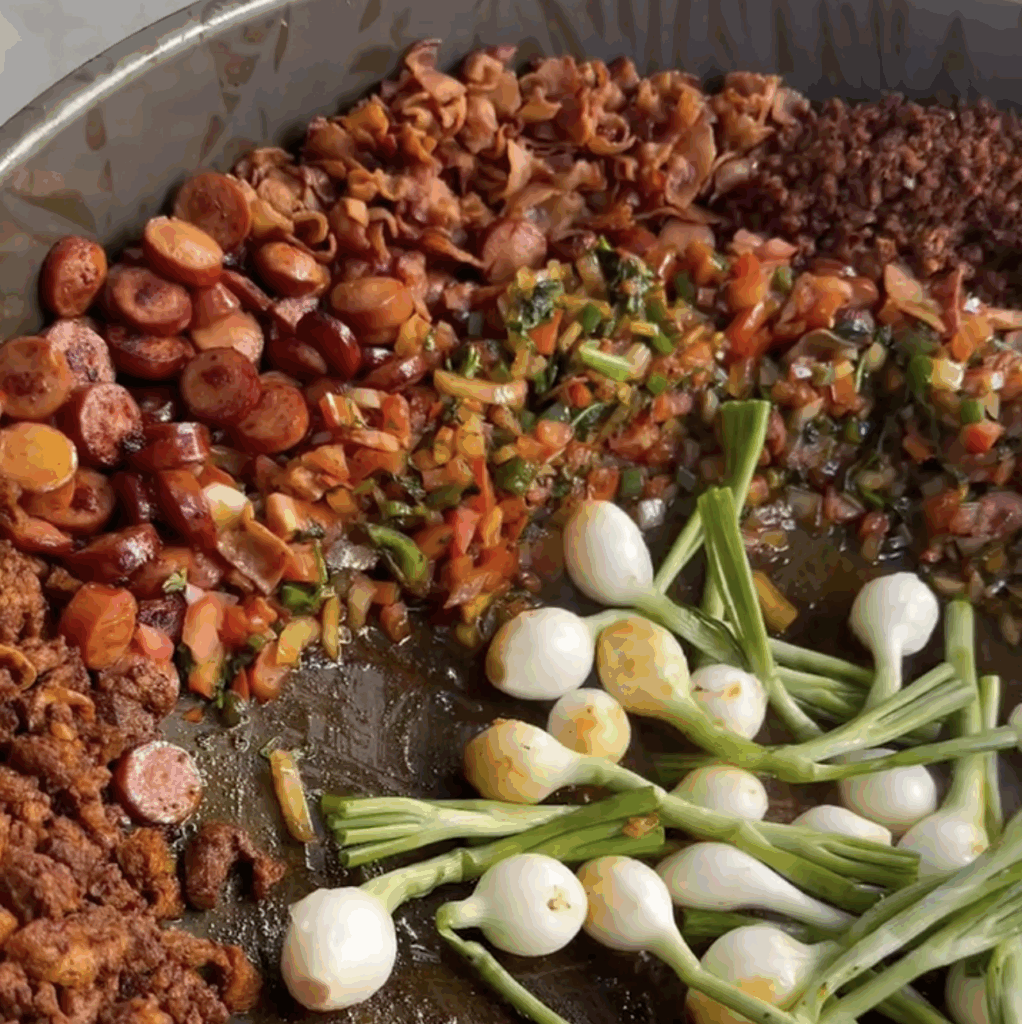
Qué es: Mixed meats and veggies cooked on a repurposed plow disc.
Historia: Cowboys en el norte used whatever they had, including busted arados (plows) turned into giant skillets. Throw in beef, sausage, bacon, veggies, let it sizzle — discada became ranch + party food, pure norteño ingenuity.
Coahuila — Cabrito al Pastor 🐐
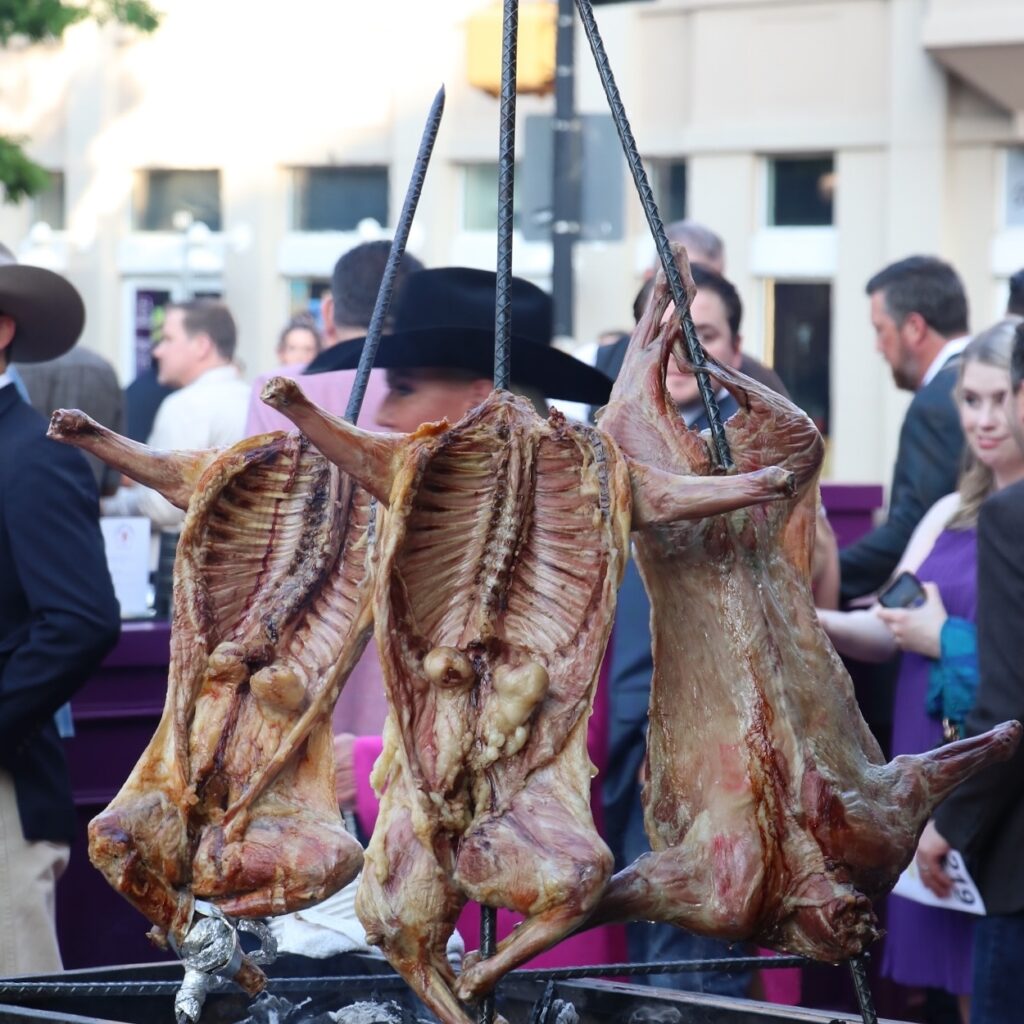
Qué es: Baby goat marinated and roasted on a spit.
Historia: Sephardic Jews fleeing Spain brought goat-herding traditions, and northern ranch culture turned it into fiesta food. Slow-roasted cabrito is Coahuila’s pride — takes hours, pero when it’s ready, it feeds toda la familia.
Colima — Sopitos 🥣
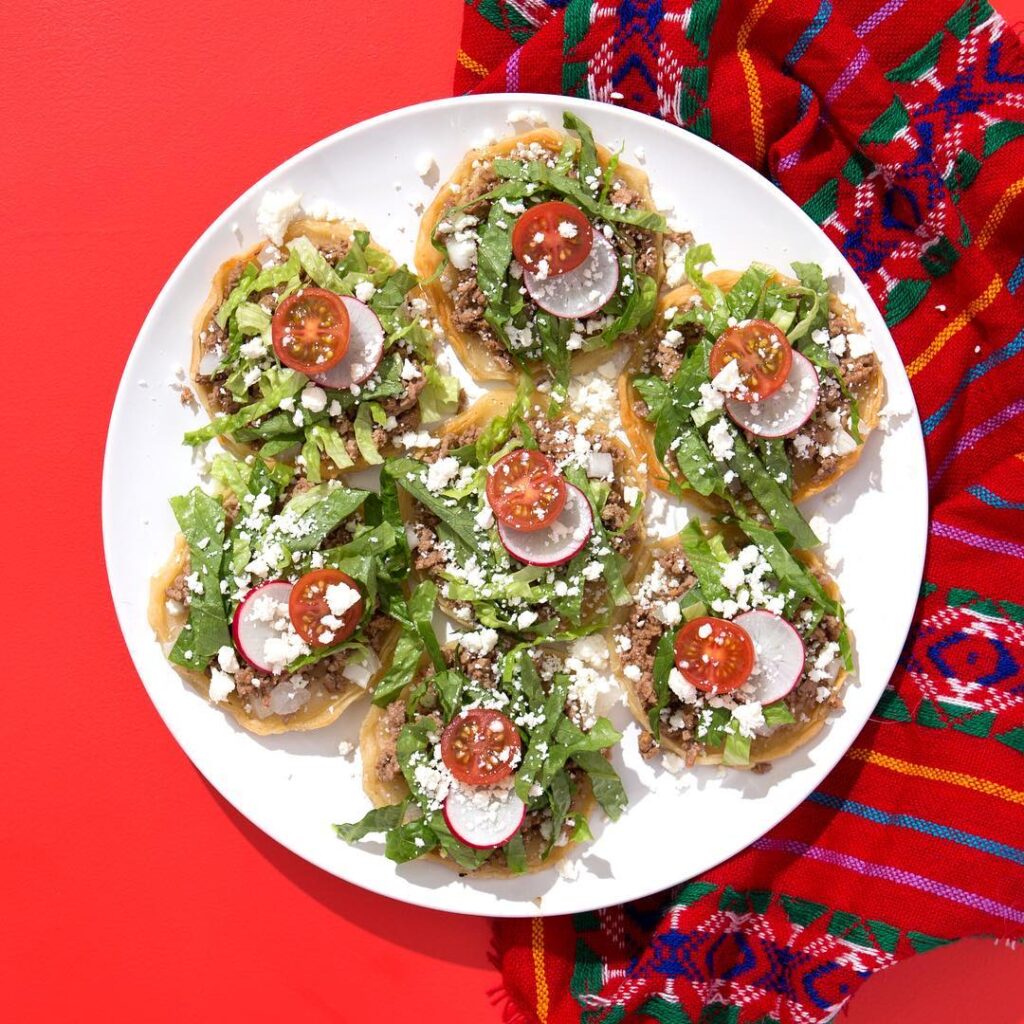
Qué es: Mini fried tortillas topped with shredded meat, beans, lettuce, and salsa.
Historia: Early 1900s street food, born in plazas where families gathered por la tarde. Easy, crunchy, affordable — sopitos became the OG Colima comfort snack.
Durango — Caldillo Durangueño 🌶️🥩
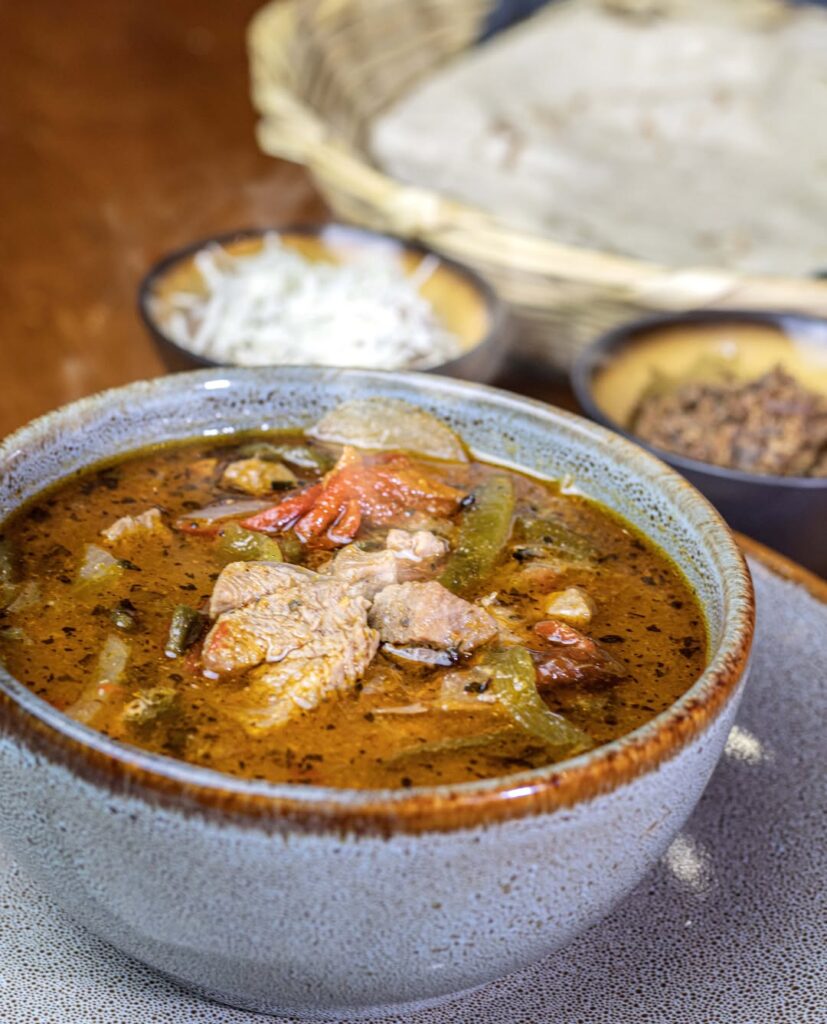
Qué es: Beef stew with green chile, potatoes, and tomatoes.
Historia: Durango’s mountains are cold AF, so hearty stews were survival food. Caldillo fed rancheros, muleteers, and workers — it’s rugged, spicy, warming, puro norte.
Guanajuato — Guacamayas 🥖🌶️
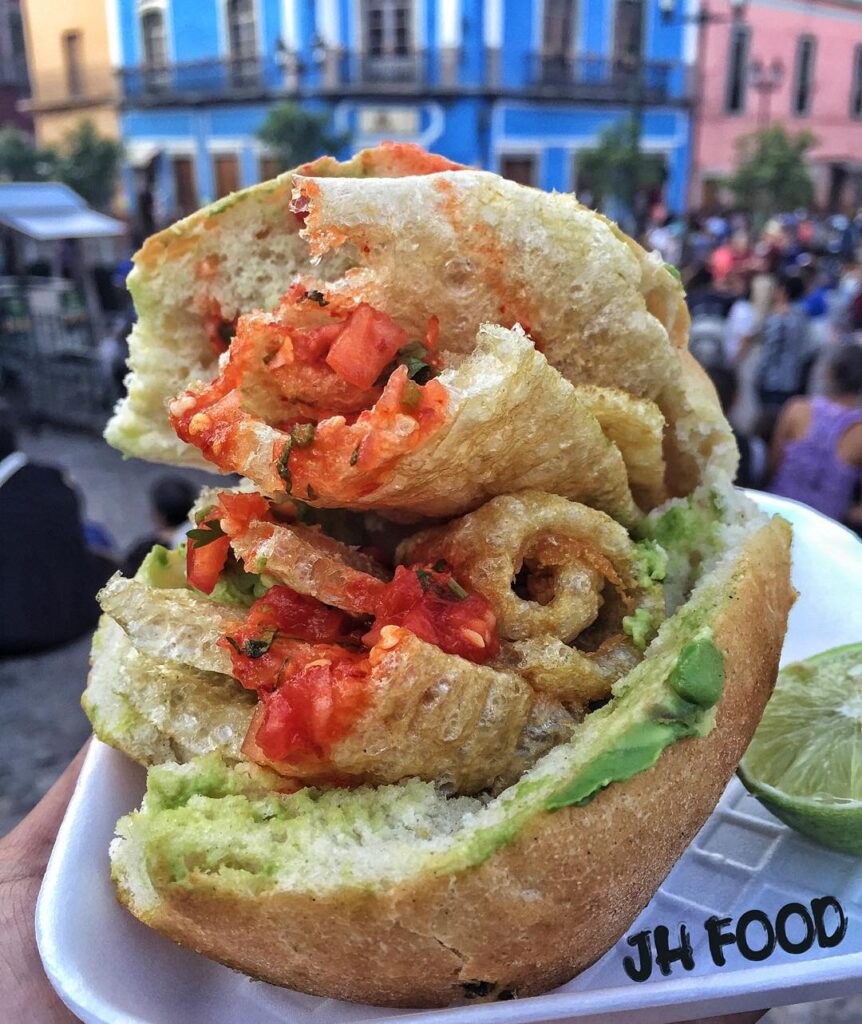
Qué es: Bolillo stuffed with crunchy chicharrón, drenched in fiery salsa.
Historia: León street food, sold from little carts to estudiantes y trabajadores. The name comes from the noise and color — crunchy like a parrot squawk (guacamaya). Iconic, cheap, spicy AF, pure Guanajuato identity.
Guerrero — Pozole Verde 🍲
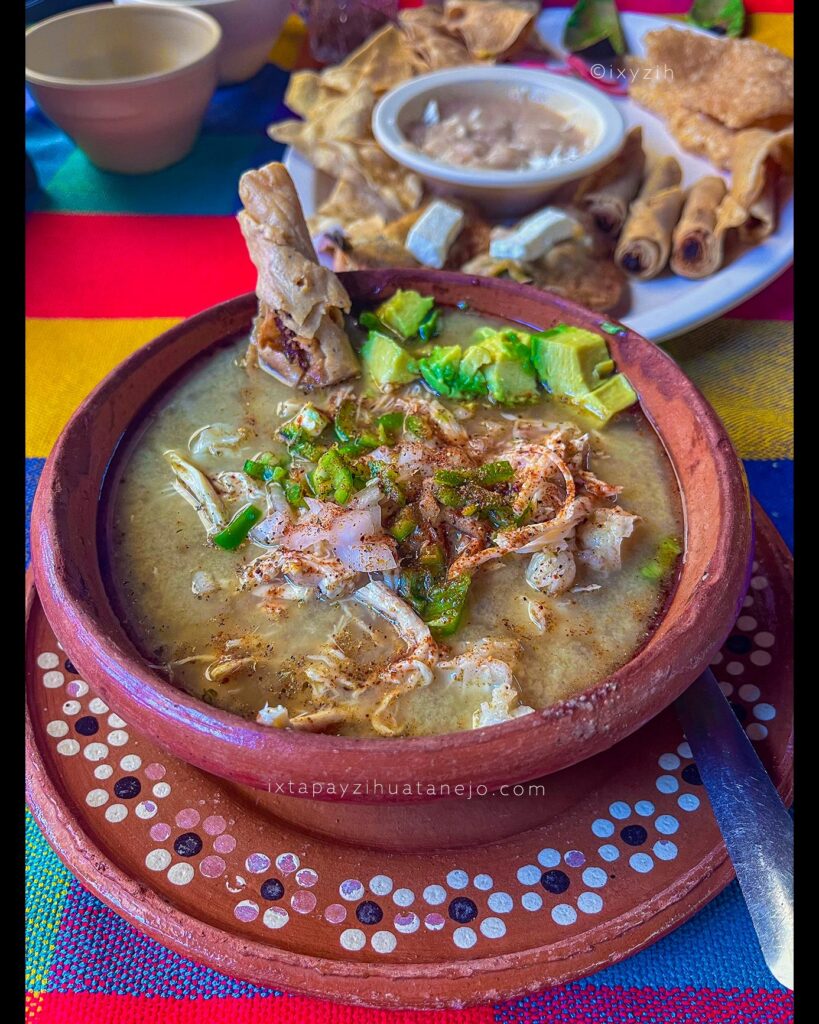
Qué es: Hominy soup with chicken or pork, made green with pumpkin seeds, tomatillos, and chiles.
Historia: Pozole started in pre-Hispanic rituals (yes, with human flesh 👀), but the Spanish swapped in pork. In Guerrero it evolved into jueves pozolero — every Thursday is pozole day, a weekly ritual that’s still alive in Acapulco and Chilpancingo… and now en Long Beach too.
Hidalgo — Pastes 🥟
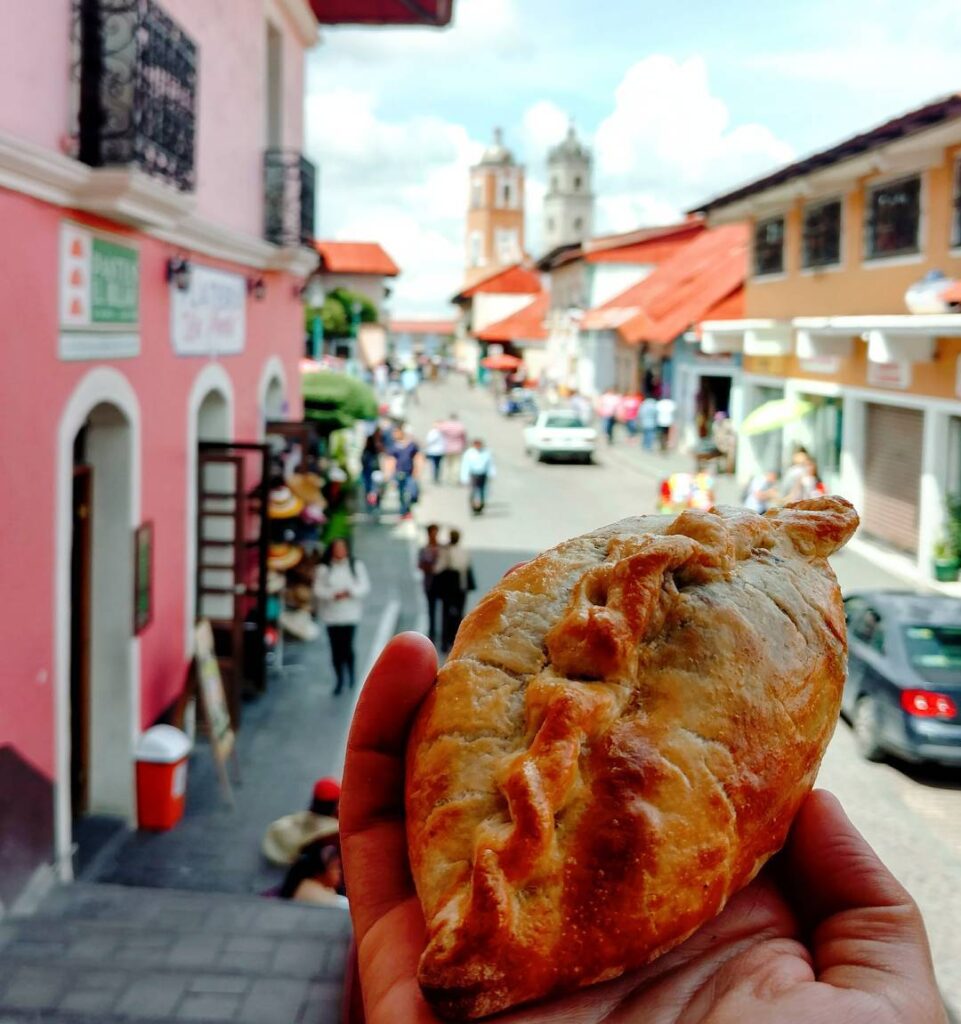
Qué es: Flaky pastries stuffed with potatoes, beans, or chorizo.
Historia: Cornish miners came in the 1800s and brought pasties. Mexicans swapped the fillings pa’ make them ours, spicy and cheap. Real del Monte still throws an annual Paste Festival — that’s how deep this dish runs.
Jalisco — Torta Ahogada 🥪🔥
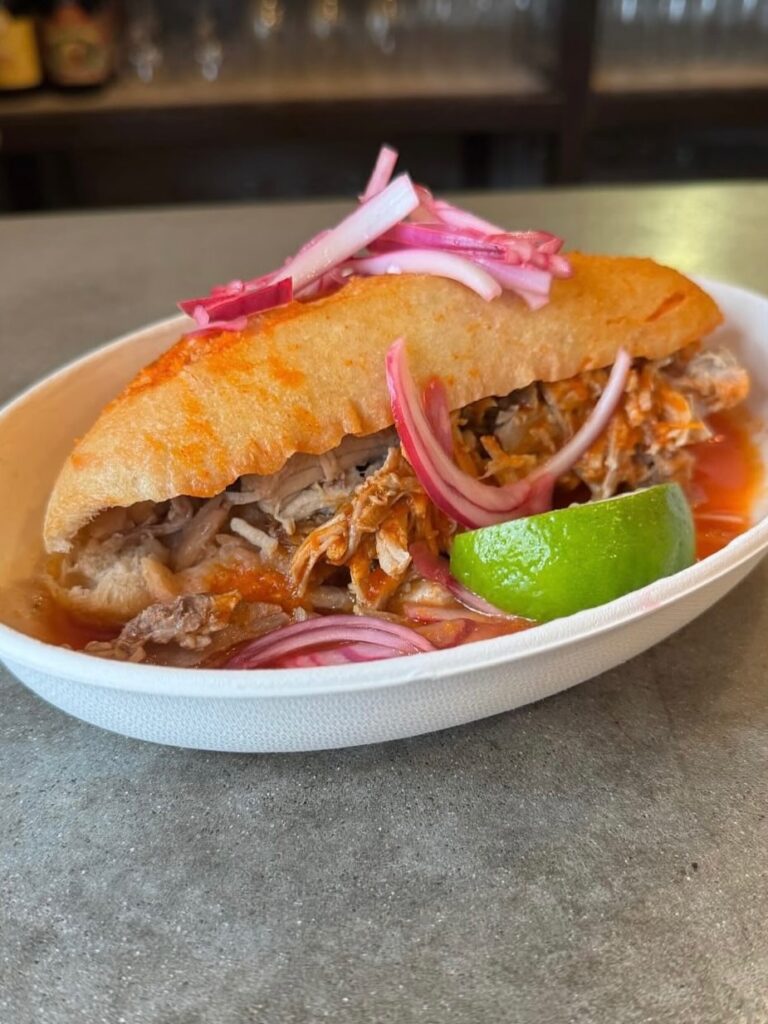
Qué es: Bolillo stuffed with carnitas, drowned in tomato + chile de árbol salsa.
Historia: Accidentally created when a torta got dunked in too much salsa in Guadalajara — and the messy legend stuck. It’s spicy, sloppy, and pure Jalisco energy. Eating one requires napkins y valor.
Estado de México — Chorizo Verde de Toluca 🌭
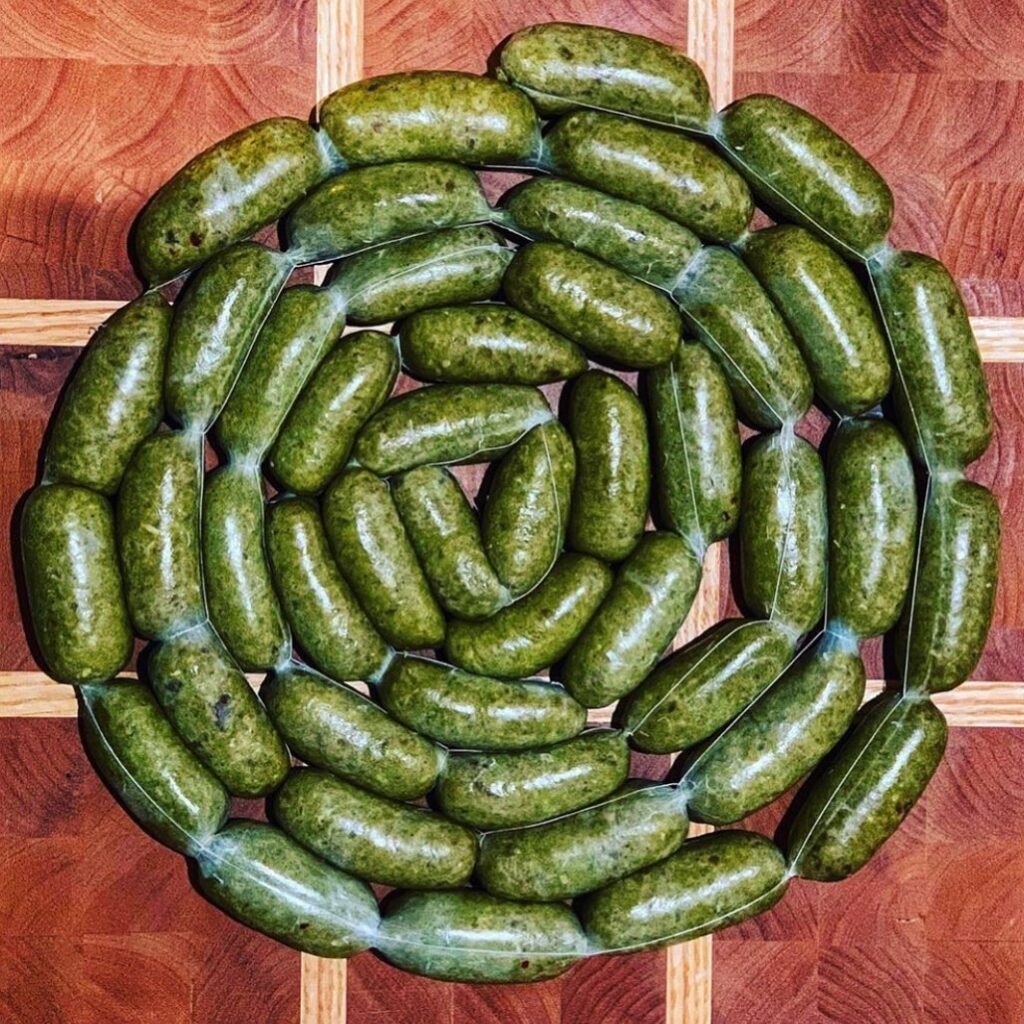
Qué es: Herb-filled green sausage made with cilantro, parsley, and sometimes nuts.
Historia: Toluca has been Mexico’s sausage hub since colonial days. Green chorizo became their claim to fame — vibrant, herby, and perfect in tacos. A must at local mercados.
Michoacán — Carnitas 🐖
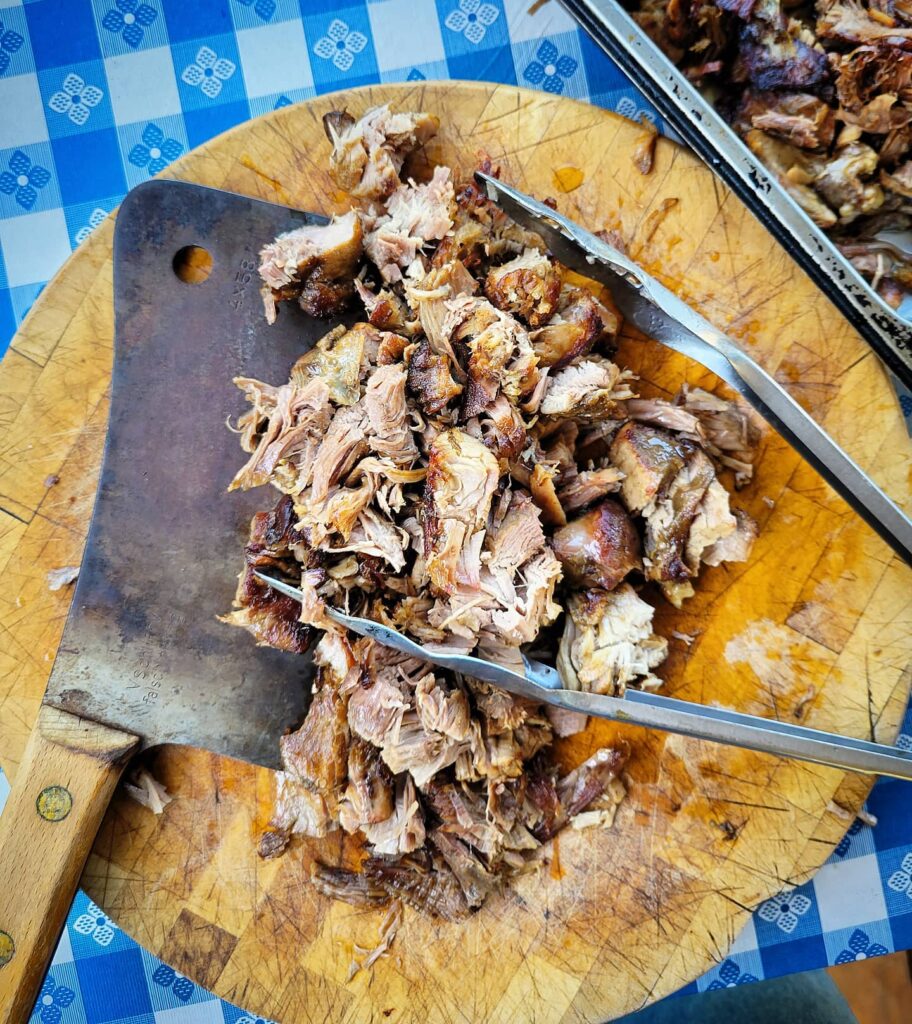
Qué es: Pork slow-cooked in its own fat until juicy + crispy.
Historia: Purépecha communities perfected the technique in copper cazos (their metalwork craft). Carnitas were fiesta food, but now they’re Mexico’s most beloved taco filling. Quiroga is still “la capital de las carnitas.”
Morelos — Cecina de Yecapixtla 🥩
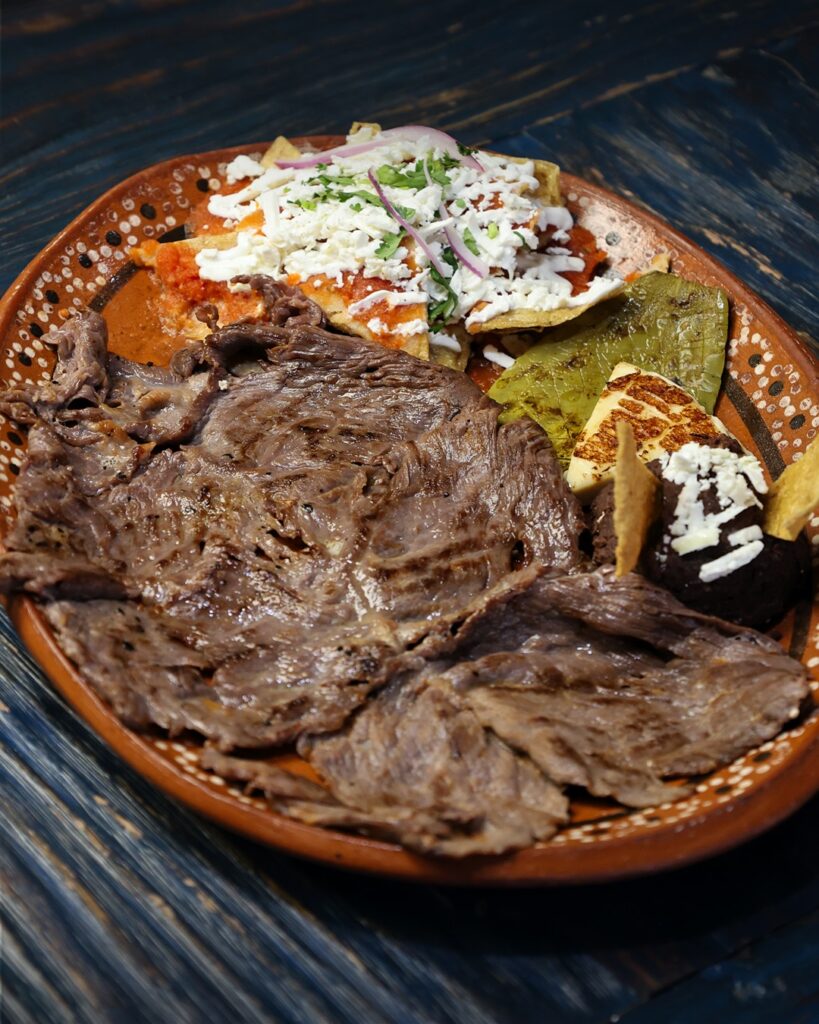
Qué es: Thin salted beef, sun-dried, then grilled.
Historia: Preservation technique turned specialty. Yecapixtla made it famous with ferias, and today it’s so tied to local identity that cecina is basically Morelos on a plate.
Nayarit — Pescado Zarandeado 🐟🔥
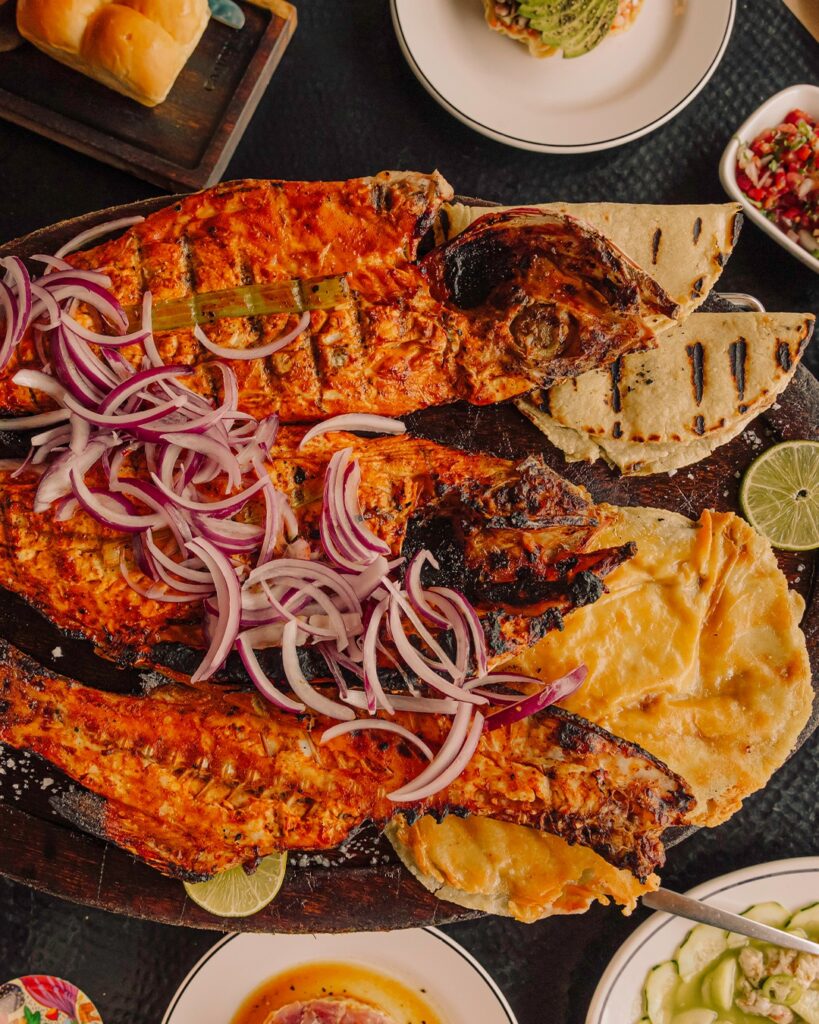
Qué es: Butterfly fish marinated in achiote + chiles, grilled over mangrove wood.
Historia: Coastal fishermen in San Blas and Isla de Mexcaltitán created it. The word zarandeado comes from the wire grill basket that keeps the fish steady. Smoky, beachside, pura tradición.
Nuevo León — Carne Asada Regia 🥩🍻
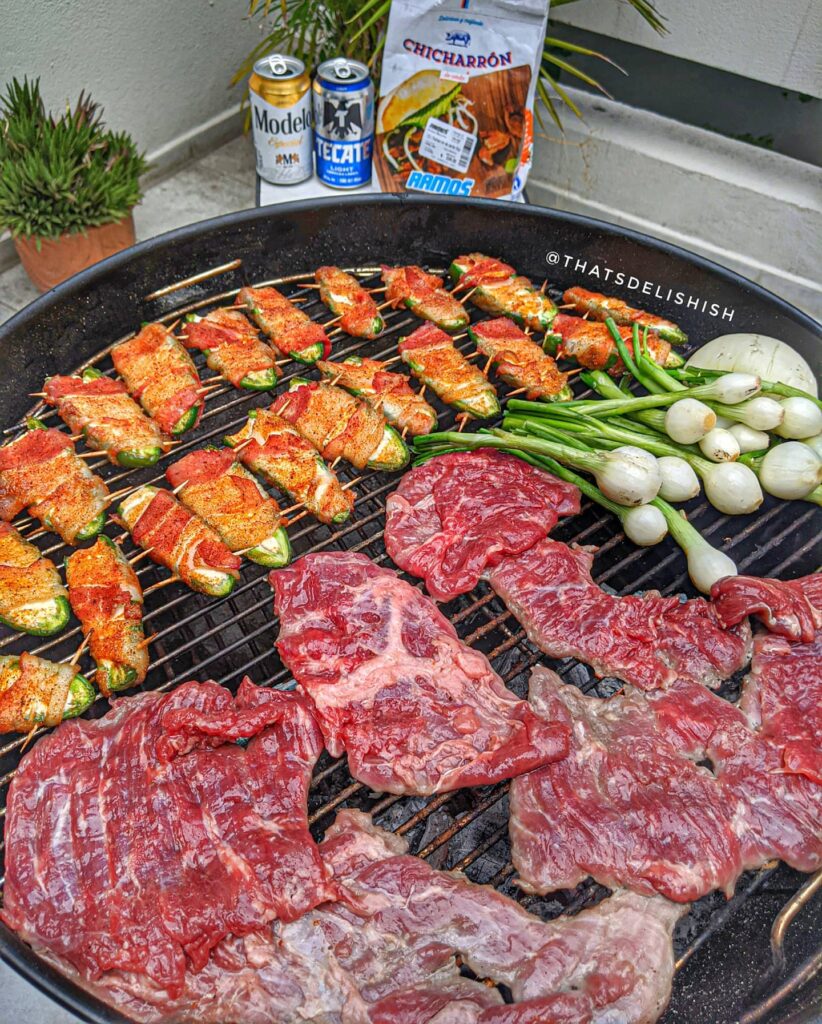
Qué es: Thick beef cuts grilled over mesquite, served with beans and tortillas.
Historia: In Monterrey, carne asada isn’t just food — it’s social glue. Ranching heritage + weekend parrilladas = regios’ identity. Carne asada = pride, cheve, and bragging rights.
Oaxaca — Mole Negro 🍫🌶️
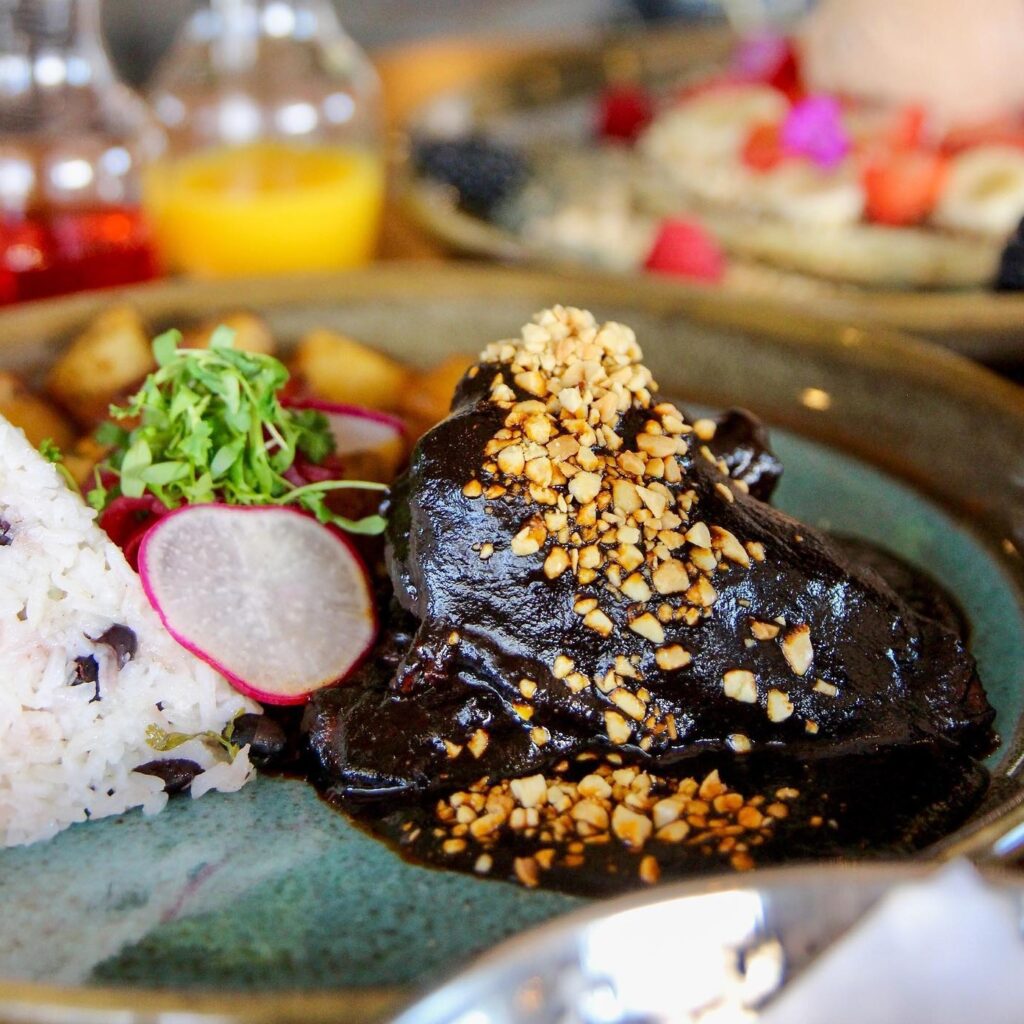
Qué es: Thick sauce with 30+ ingredients, including cacao and dried chiles.
Historia: Born in convent kitchens, perfected in Indigenous markets. Mole negro is Oaxaca’s crown jewel, reserved for bodas, funerals, and fiestas grandes. A recipe takes all day, and every family has their own secret twist.
Puebla — Chiles en Nogada 🇲🇽
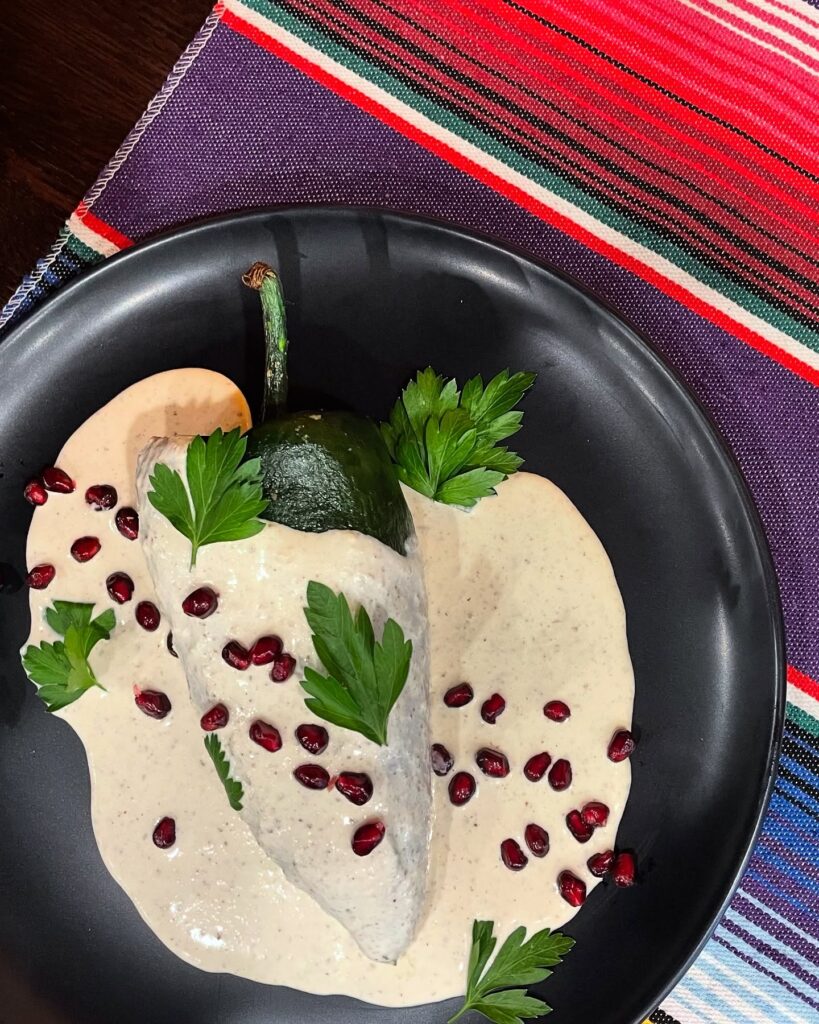
Qué es: Poblano pepper stuffed with picadillo, topped with walnut sauce + pomegranate.
Historia: Created in Puebla in 1821 to honor Independence. Green chile, white nogada, red granada = Mexican flag on a plate. Seasonal, patriotic, pura fiesta septembrina.
Querétaro — Enchiladas Queretanas 🌮
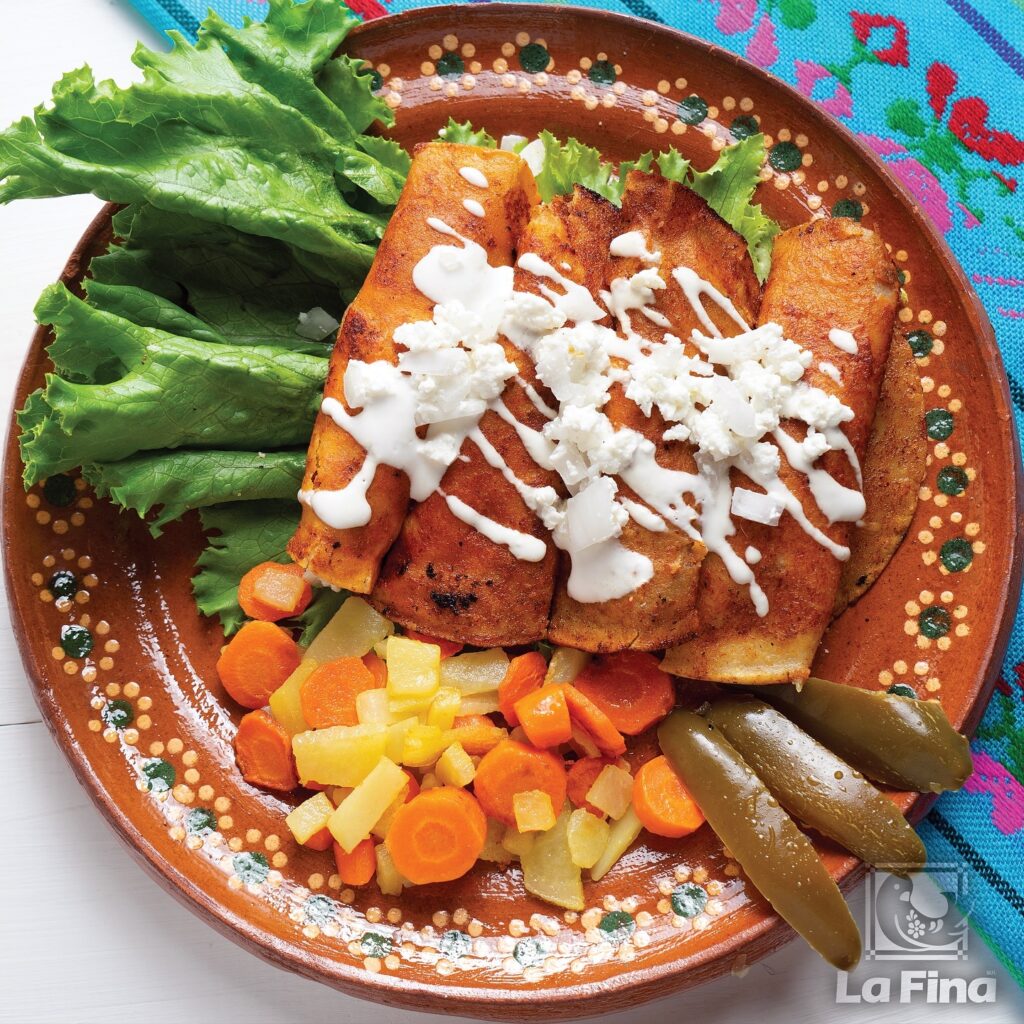
Qué es: Chicken/cheese-filled enchiladas topped with carrot, lettuce, crema.
Historia: A Bajío spin on enchiladas, made fresher with veggies. Sold in markets, plazas, and family kitchens — Querétaro identity in every bite.
Quintana Roo — Tikin Xic 🐟
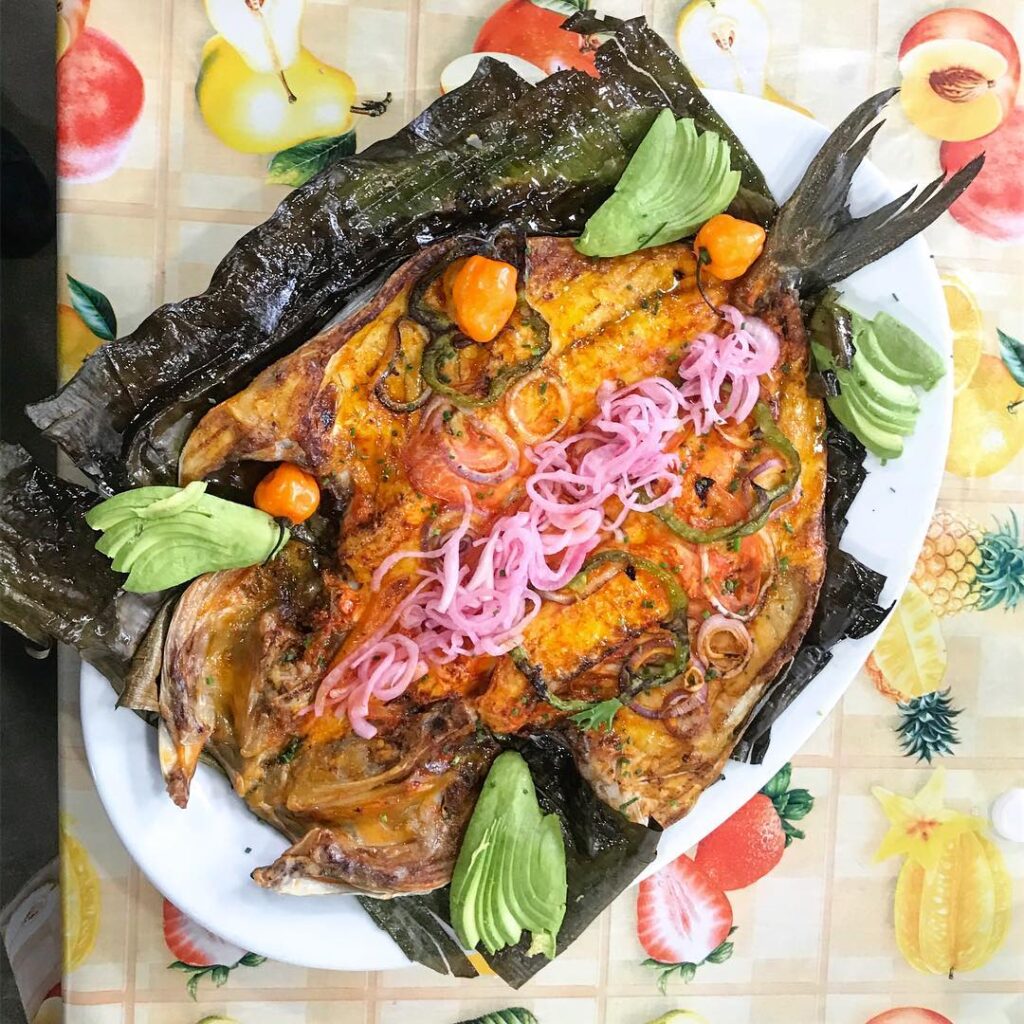
Qué es: Fish marinated with achiote + sour orange, wrapped in banana leaves and roasted.
Historia: Straight from Mayan coastal tradition. Ancient technique of wrapping and roasting fish over fire — still found on Isla Mujeres. A dish that tastes like playa.
San Luis Potosí — Enchiladas Potosinas 🌶️
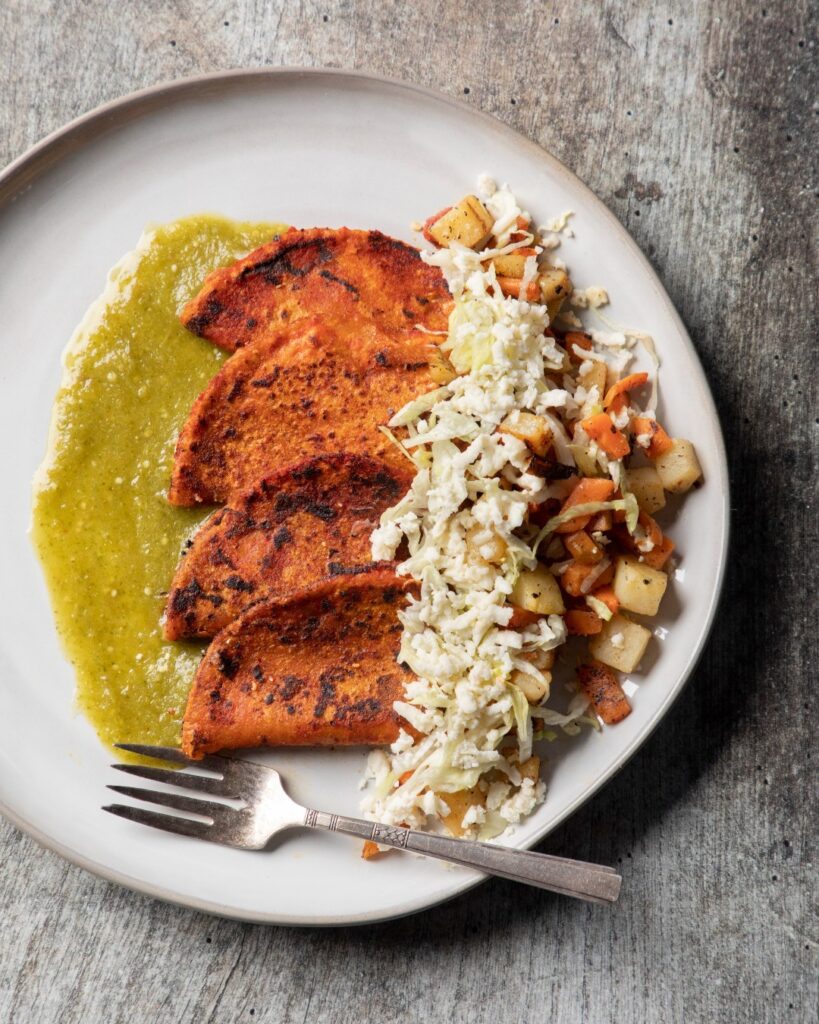
Qué es: Red tortillas (masa mixed with chile) stuffed with cheese and fried.
Historia: Born by accident when chile got into masa during nixtamalization. The mistake became a state classic — bright, spicy, totally addictive.
Sinaloa — Aguachile 🌶️🦐
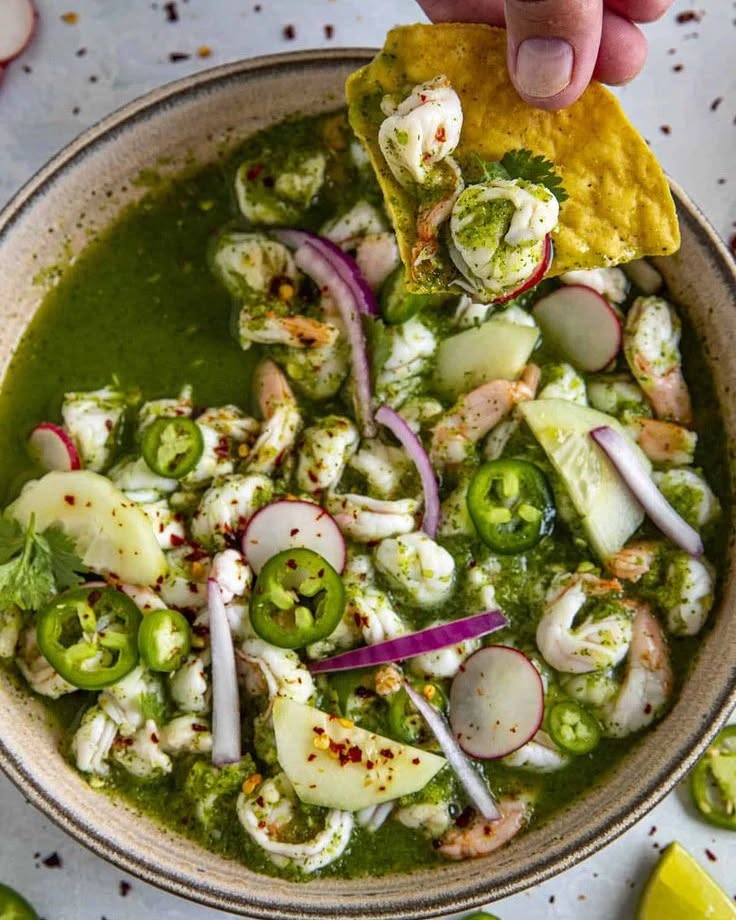
Qué es: Shrimp in lime, chile, and cucumber.
Historia: Fishermen made the OG aguachile with just lime, chiltepín, and water (agua + chile). It evolved with cucumber, onions, and extras, but the heat is still the star. Pure beachside Sinaloa vibes.
Sonora — Carne Asada Sonorense 🥩
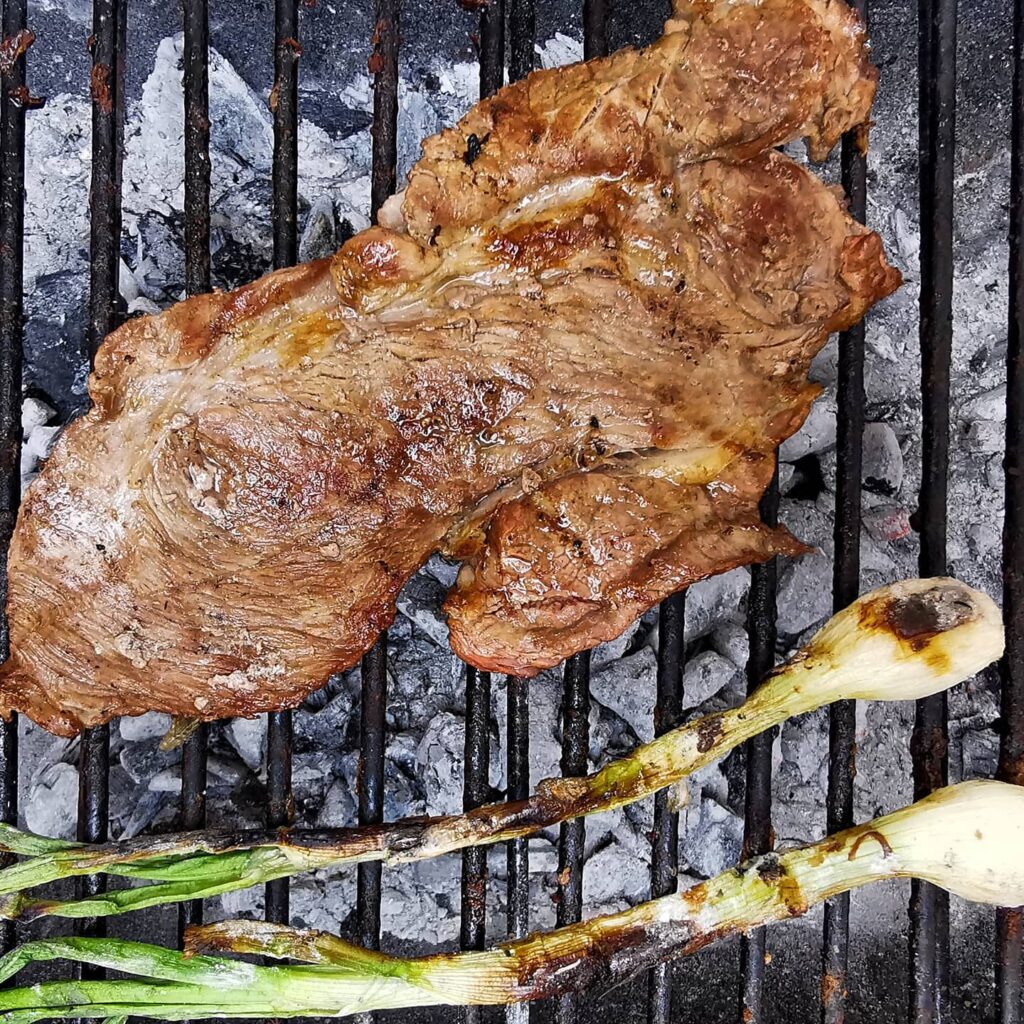
Qué es: Beef grilled over mesquite, with giant flour tortillas (sobaqueras).
Historia: Sonora = cattle country, so beef is king. The tortillas are just as legendary — huge, stretchy, flour-based, tied to desert ranch culture. Carne asada is their whole identity.
Tabasco — Pejelagarto Asado 🐊
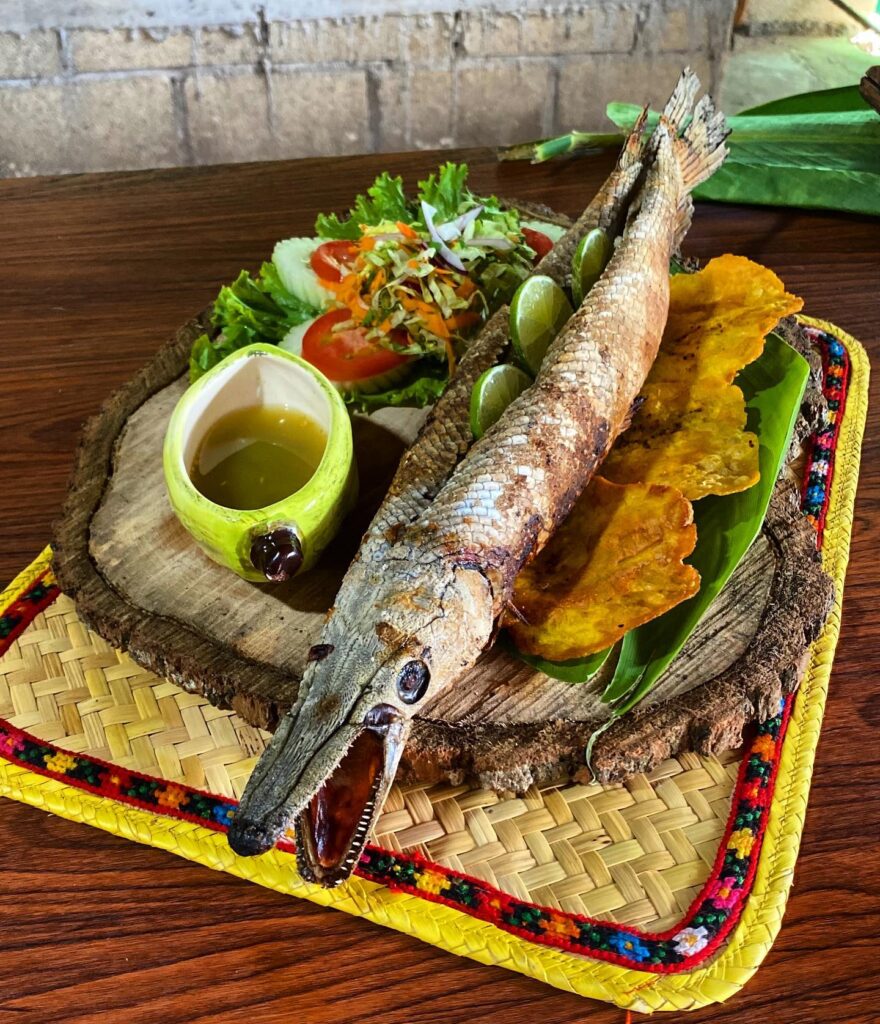
Qué es: River gar grilled whole, served with salsas.
Historia: Chontal Maya communities have been eating this prehistoric-looking fish forever. Its strong flavor + connection to Tabasco’s rivers make it unique. Fun fact: AMLO’s nickname El Peje comes from this fish.
Tamaulipas — Torta de la Barda 🥪
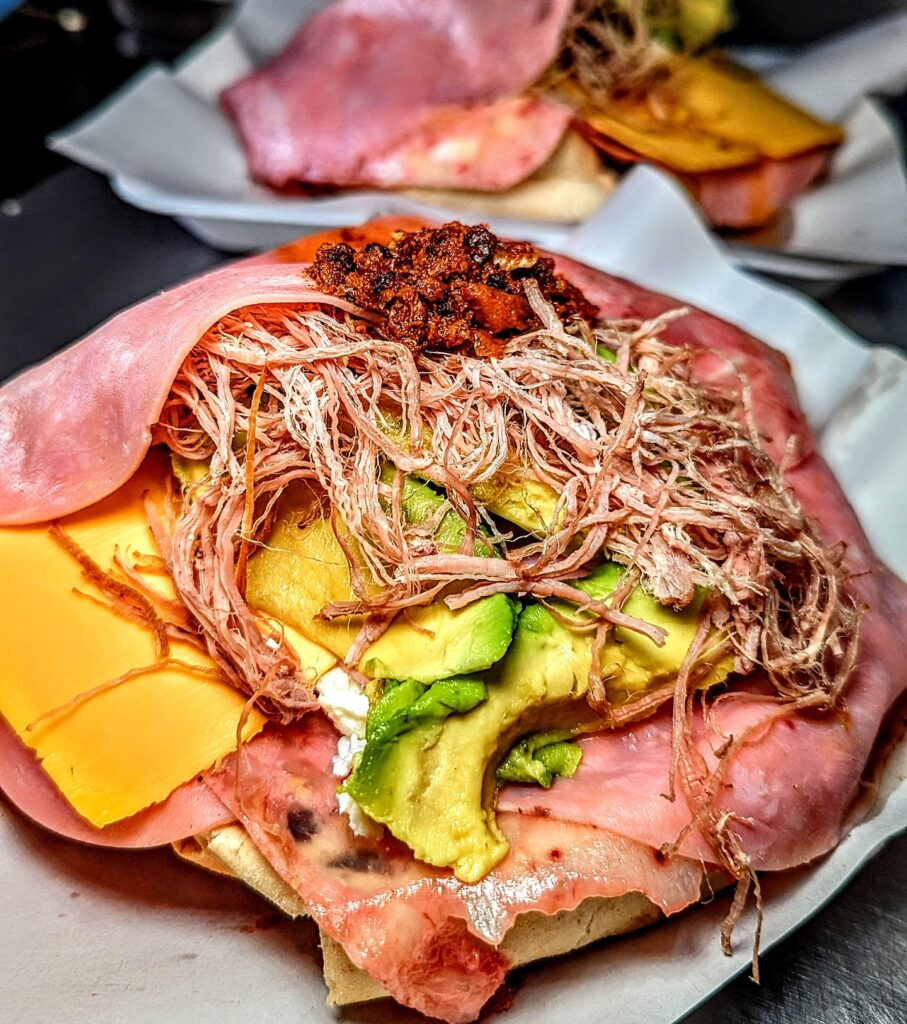
Qué es: Bolillo stuffed with ham, cheese, beans, avocado, chorizo, and more.
Historia: Born near the Tampico train station wall (la barda) in the 20th century. It was cheap fuel for workers, and today it’s the monster torta of the state. Tamaulipas = big sandwich energy.
Tlaxcala — Mixiotes 🍖
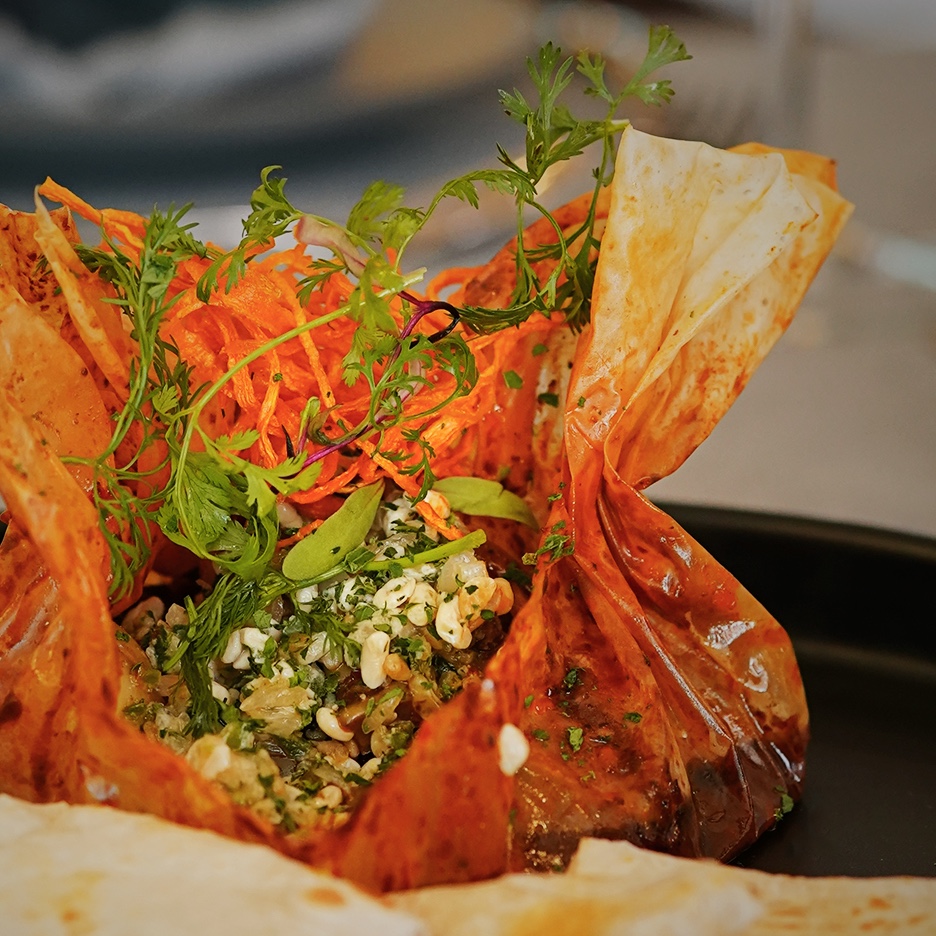
Qué es: Meat marinated and steamed in maguey film.
Historia: Pre-Hispanic technique: wrapping meat in maguey skin before steaming in earth ovens. It tenderized meat and infused flavor. Now parchment sometimes replaces maguey, but the spirit stays ancient.
Veracruz — Huachinango a la Veracruzana 🐟🍅
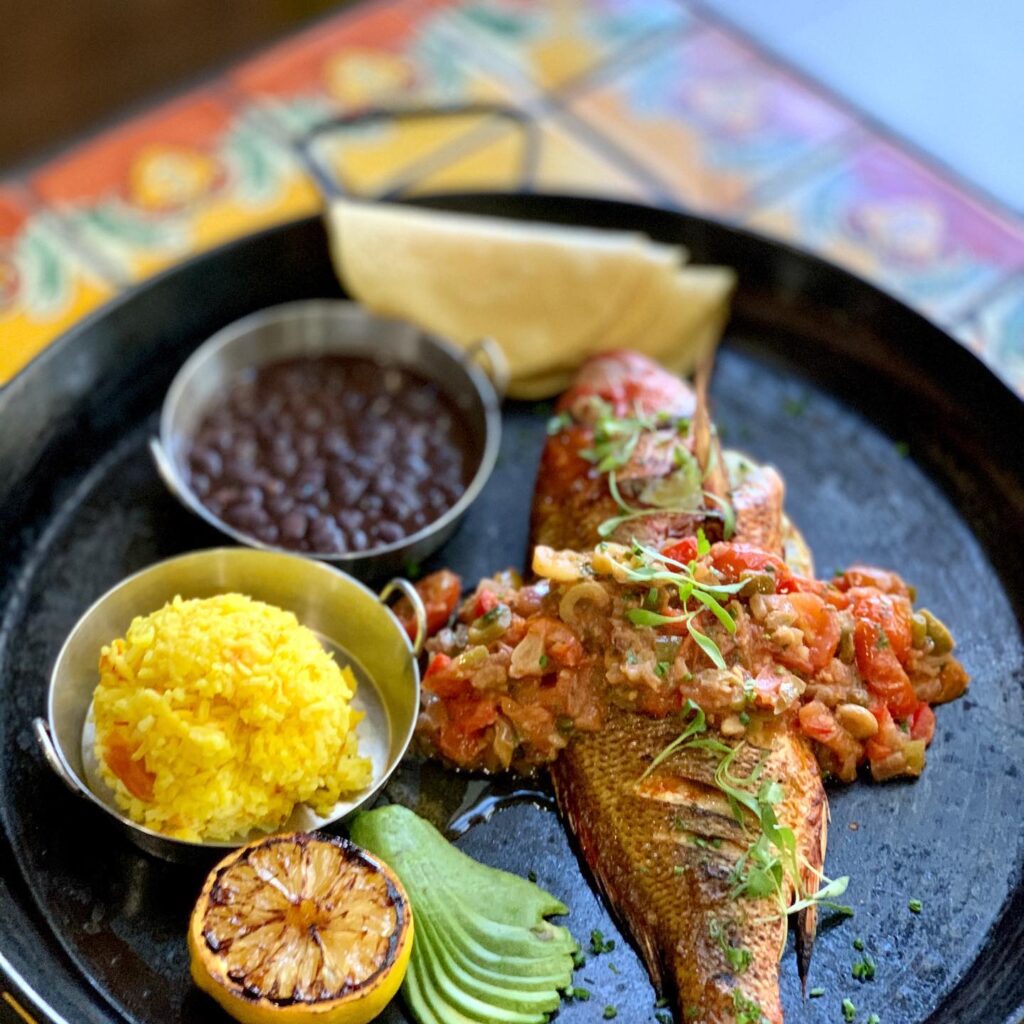
Qué es: Red snapper baked with tomato, olives, capers.
Historia: Veracruz was Mexico’s first Spanish port, so Mediterranean ingredients flowed in. Locals fused them with native fish. The result? One of Mexico’s most famous mestizo dishes.
Yucatán — Cochinita Pibil 🐖
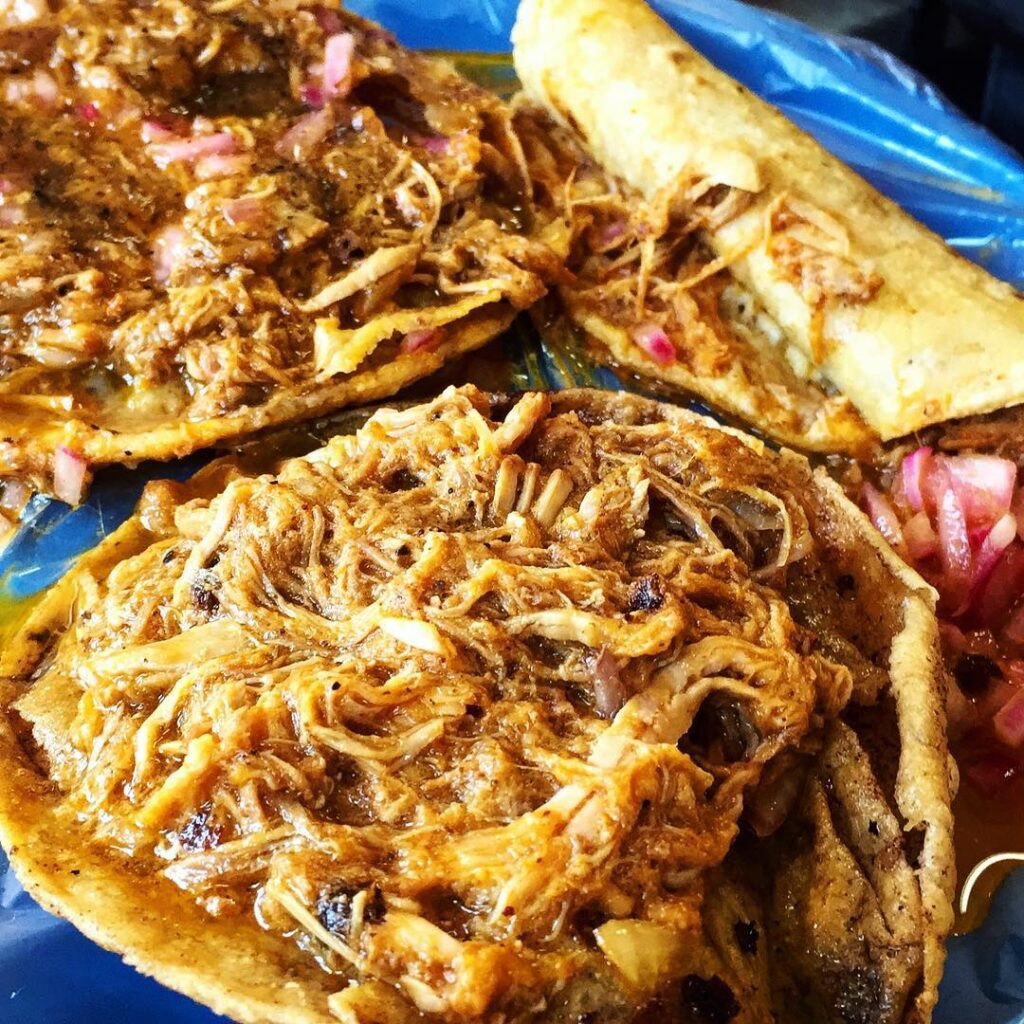
Qué es: Pork marinated in achiote + sour orange, wrapped in banana leaves and slow-cooked underground (pib).
Historia: Ancient Mayan recipe mixed with Spanish pork. Cooking in earth ovens connected it to rituals like Day of the Dead. Today it’s tacos, tortas, and a global superstar.
Zacatecas — Asado de Boda 💒🥘
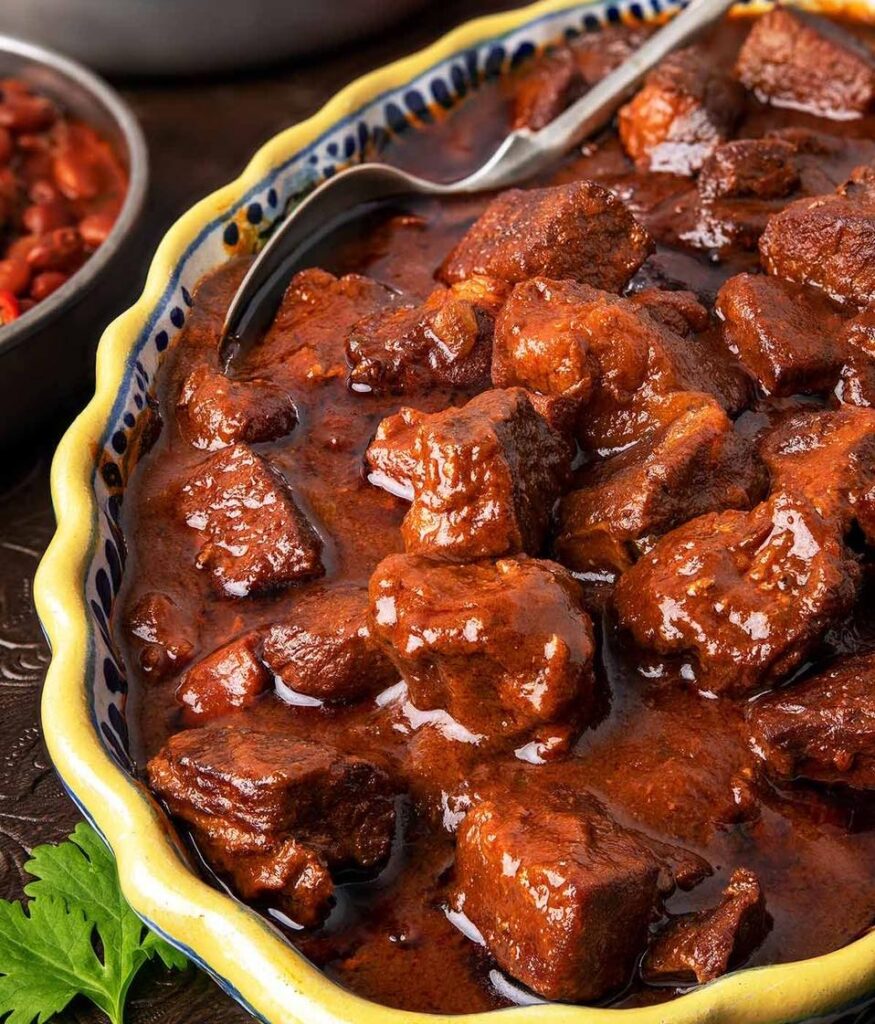
Qué es: Pork stew with red chile, spices, and piloncillo.
Historia: Served at bodas, bautizos, and big fiestas. The mix of sweet + spicy reflects the mix of love + struggle. Cooked in giant cazuelas to feed whole towns. A dish of unión y celebración.
Food is our memory, our resistencia, and our pride. Latino Heritage Month is the reminder, but honestly, our comida lives 365 days a year — in the pozole pots, the torta carts, the taco stands, and abuelita’s kitchen. Every bite keeps our traditions alive.
Enhanced with AI